
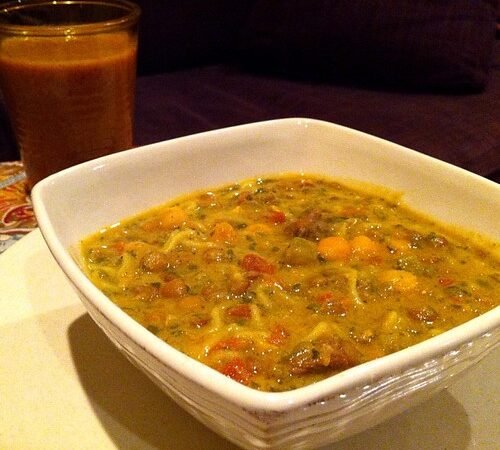
Introduction to Harira: A Cultural and Culinary Heritage
Harira is a traditional Moroccan soup that carries rich cultural significance and a profound culinary heritage. This hearty and aromatic soup is a staple in Moroccan households, especially during the holy month of Ramadan, where it holds a special place on iftar tables, breaking the fast at sunset. Its deep-rooted history is intertwined with various Moroccan traditions and customs, making it not just a meal, but a symbol of community and comfort.
Typically, harira is prepared with an array of ingredients that differentiate it from other soups. Key components include tomatoes, lentils, chickpeas, and a medley of spices, which come together to create a perfectly balanced dish that is both nutritious and satisfying. The unique combination of herbs like cilantro and parsley enhances the flavor profile, while the use of meat such as lamb or chicken adds to its richness. This complexity in ingredients and flavors makes harira a beloved choice among many, transcending mere sustenance to embody warmth and familial bonding.
During Ramadan, harira takes on an even deeper significance as it nourishes not only the body but also the spirit, fostering a sense of togetherness among family and friends. Traditionally, it is served with dates and sometimes accompanied by sweet pastries, enhancing the joyous atmosphere of breaking the fast. Beyond Ramadan, harira remains popular for special occasions and gatherings, reinforcing its status as a comforting meal that invites loved ones to share in a communal experience.
In contrast to other soup varieties, harira’s multifaceted preparation and diverse ingredient list highlight the intricate flavors characteristic of Moroccan cuisine. As we delve into the recipe and preparation of this beloved soup, we will uncover not only how to make it but also the cultural backdrop that makes harira an essential part of Morocco’s culinary landscape.
Essential Ingredients for Authentic Harira Soup
To create an authentic harira soup, several key ingredients are paramount. The foundational component of this Moroccan dish is tomatoes, which impart a rich, tangy flavor to the soup. Fresh tomatoes are preferable due to their juiciness, but canned tomatoes can serve as an acceptable substitute in off-season periods. They not only form the base of the broth but also contribute vital nutrients and a luscious texture.
Lentils are another integral ingredient, delivering protein and essential dietary fiber to the soup. In traditional recipes, brown or green lentils are commonly used for their firm texture that withstands cooking. Alternatively, one may consider using red lentils, which cook quicker and lend a smoother consistency, though they can alter the soup’s traditional character.
Chickpeas represent another essential element, adding both flavor and heartiness to harira soup. Canned or dried chickpeas can be utilized, but if using dried, a proper soaking is vital before cooking. These legumes not only enhance the nutritional profile but also facilitate the robust, hearty nature of the dish.
Spices such as cumin and saffron are crucial for achieving the distinctive flavor profile of harira. Cumin provides a warm earthiness while saffron adds a unique aroma and a hint of luxury. These spices can be adjusted according to personal preference, but it’s important to maintain a balance that honors the traditional character of the dish.
In different regions, variations may arise. For instance, some recipes may include ingredients like carrots or celery for added depth, while in others, fresh herbs like cilantro and parsley enhance the flavor further. These variations allow cooks to stay authentic while personalizing their harira soup, ensuring that each bowl is a reflection of their culinary style.
Step-by-Step Recipe to Prepare Harira Soup
To prepare authentic Harira soup, begin by gathering the essential ingredients, which include lentils, chickpeas, tomatoes, fresh herbs, and spices. Start with the preparation of your legumes. If using dried chickpeas, soak them overnight to ensure they become tender while cooking. For the lentils, rinse them thoroughly under cold water.
Next, in a large pot, heat a generous amount of olive oil over medium heat. Add finely chopped onions and sauté until they become translucent. This step is crucial, as it builds the flavor base of the soup. Incorporate minced garlic and diced tomatoes, followed by a mixture of spices such as paprika, cumin, and black pepper. Stir these ingredients well to allow the spices to release their aromatic oils.
Once the tomatoes have softened, introduce the soaked chickpeas and lentils into the pot. Pour in enough water or broth to cover the legumes, typically around six cups depending on your desired consistency. Bring the mixture to a boil, then reduce the heat to low and let it simmer for about forty-five minutes to an hour. Keep an eye on the pot and add more liquid if necessary, ensuring that the soup retains a soup-like consistency.
As the soup cooks, it is advisable to add fresh herbs such as cilantro and parsley to enhance the flavor profile. About ten minutes before finishing the cooking process, incorporate a handful of vermicelli or rice to achieve the traditional texture of Harira. Keep stirring gently to avoid sticking.
Upon completion, taste the soup and adjust the seasoning with salt and pepper as needed. Common mistakes include undercooking the legumes or skipping on the herbs, which can seriously affect the final taste. For the perfect Harira soup, aim for a balance between the savory and the aromatic, ultimately achieving a comforting bowl of this Moroccan delicacy.
Serving Suggestions and Variations on Harira
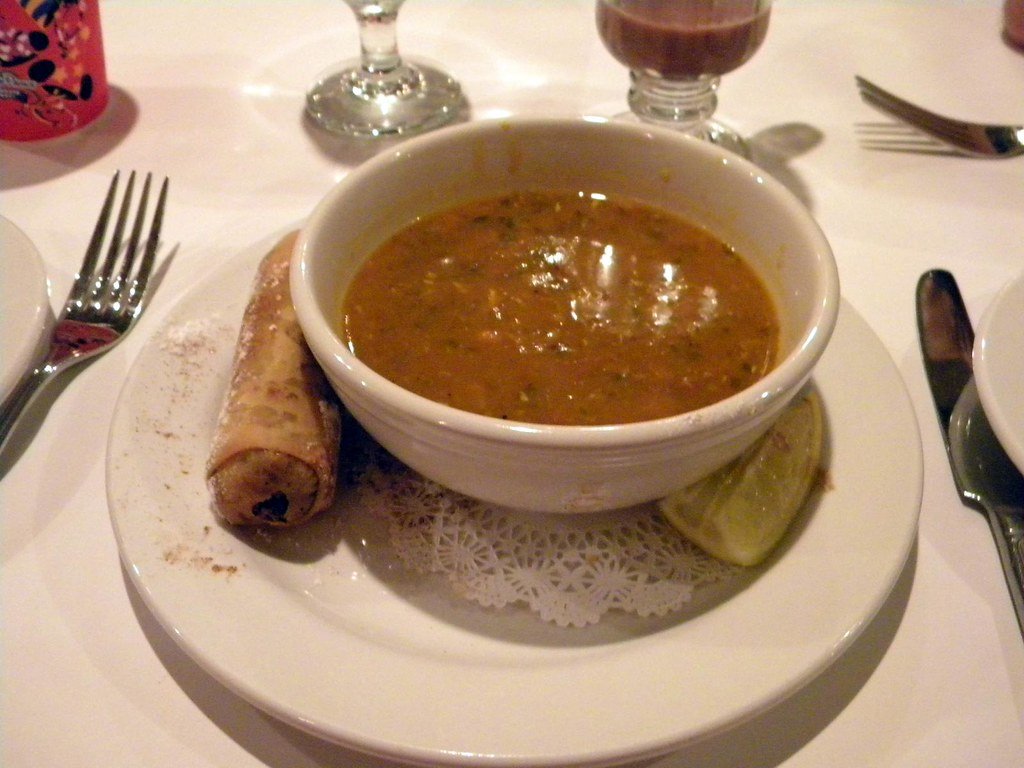
Harira soup is a quintessential dish of Moroccan cuisine, renowned for its rich flavors and cultural significance. When serving this hearty soup, it is common to enhance its presentation and flavor with a selection of garnishes. Fresh cilantro and parsley can be chopped and sprinkled atop each bowl to add a burst of color and freshness. Additionally, a squeeze of fresh lemon provides bright acidity that beautifully complements the soup’s savory profile. For an extra layer of texture and taste, consider topping harira with crispy fried onions or a spoonful of harissa, a North African chili paste that brings heat and depth.
Side dishes often accompany harira, making for a more satisfying meal. Traditional choices include crusty bread or Moroccan flatbreads, which are ideal for dipping. Another option is to serve the soup alongside spiced pastries, such as briouates or savory turnovers, which pair seamlessly with the warm flavors of harira. When hosting a gathering, these accompaniments can elevate the dining experience, providing guests with a variety of flavors and textures.
In terms of variations, harira can be easily adapted to suit various dietary preferences. For those following a vegetarian or vegan lifestyle, simply substitute meat-based ingredients with legumes like lentils or chickpeas, ensuring that the dish remains hearty and satisfying. The inclusion of seasonal vegetables can also enhance the nutritional profile while maintaining the integrity of the original recipe. Moreover, one can experiment with spices or herbs, adding ingredients such as cumin, smoked paprika, or even saffron to create a unique twist on traditional harira.
Lastly, when it comes to beverages, light Moroccan mint tea is a popular choice to balance the rich flavors of harira. Alternatively, pairing the soup with a refreshing yogurt drink can add a cooling element. For dessert, consider serving almond pastries or dates, both of which resonate with Moroccan culinary traditions. These combinations contribute to an authentic Moroccan dining experience that showcases the versatility of harira soup.