
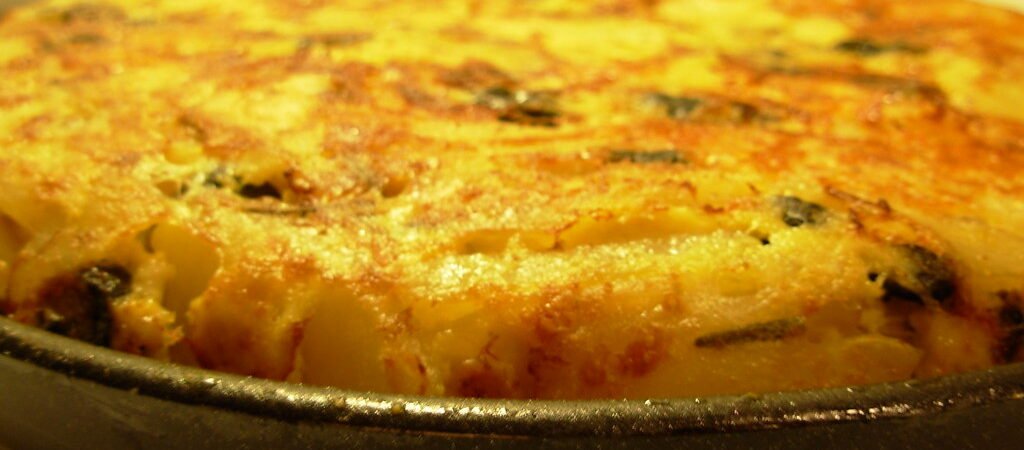
Introduction to Tortilla de Patatas
The Tortilla de Patatas, often referred to as the Spanish omelette, is a quintessential dish that embodies the culinary richness of Spain. Its origins can be traced back to the 18th century, primarily in the region of Navarra, where it was created as a simple yet nourishing meal using readily available ingredients such as potatoes, onions, and eggs. The tortilla has since evolved into a beloved staple, featured on the menus of bars and restaurants throughout Spain and enjoyed in homes across the nation.
The significance of the Tortilla de Patatas extends beyond mere sustenance; it serves as a social dish, often enjoyed as part of a tapas spread during gatherings and celebrations. This dish reflects the Spanish culture’s emphasis on sharing and fellowship, as it is typically prepared in large rounds, allowing for easy slicing and serving among friends and family. Each region of Spain has its unique twist on the tortilla, leading to variations that incorporate different ingredients, such as bell peppers or chorizo, further enhancing its appeal.
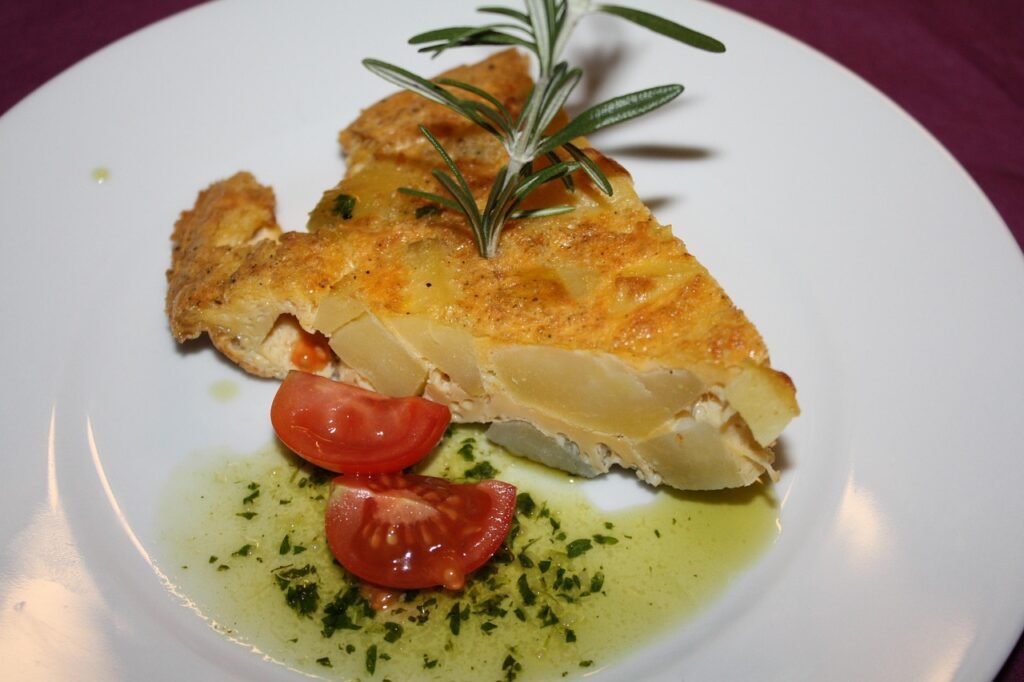
One of the reasons the Tortilla de Patatas has maintained its popularity over the centuries is its versatility. It can be served warm or cold and is suitable for any meal of the day, including breakfast, lunch, or dinner. Moreover, the dish can be customized to meet individual tastes, making it a favored choice among many. The balance of flavors between the tender potatoes and the creamy eggs creates a comforting and satisfying dish that is both simple and sophisticated. As such, Tortilla de Patatas is a true representation of Spanish culinary heritage, celebrated for its ability to bring people together over delicious food.
Ingredients Required for Authentic Tortilla de Patatas
Creating an authentic Spanish Tortilla de Patatas necessitates a carefully selected list of ingredients that contribute to the dish’s rich flavor and satisfying texture. The primary ingredient is, of course, the potato. Ideally, using waxy potatoes such as Yukon Gold or new potatoes is recommended, as they maintain their shape during cooking and provide a creamy consistency once cooked. Avoid starchy varieties, as they may render the tortilla dry and crumbly.
Next, the choice of onion can significantly enhance the overall taste of the tortilla. Yellow onions are commonly used for their sweet flavor when caramelized, but some prefer the milder taste of sweet onions or even the sharper taste of red onions, depending on personal preference. Incorporating onions is not obligatory, but it adds an extra layer of complexity to the dish.
The type of oil is also crucial for achieving the perfect tortilla texture and flavor. Extra virgin olive oil is traditionally employed for its distinct flavor profile that complements the potatoes and onions beautifully. However, for a lighter version, one might opt for a blend of olive oil and vegetable oil. The cooking oil should be of high quality, as this is where most of the tortilla’s flavor is derived.
In addition to these main ingredients, eggs are necessary, and using free-range or organic eggs is highly advisable for the best flavor and color. The number of eggs can vary depending on the quantity of potatoes used, but a general rule of thumb is to use approximately one egg for every large potato.
For those with dietary restrictions, substitutions are possible. For instance, one can use vegetable oil instead of olive oil or omit onions if preferred. It is important to remember that while variations exist, the authenticity of a Tortilla de Patatas lies in the quality and balance of ingredients used.
Step-by-Step Instructions to Prepare Tortilla de Patatas
Preparing a traditional Tortilla de Patatas begins with selecting quality ingredients. For an authentic taste, you will need good potatoes, preferably waxy varieties such as Yukon Gold, as they hold their shape better when cooked. Begin by peeling the potatoes and slicing them into 1/8 inch thick pieces. For the onions, finely chop them to enhance their flavor throughout the dish. Combining these ingredients is crucial for achieving the ideal consistency in your tortilla.
Next, heat a generous amount of olive oil in a non-stick frying pan over medium heat. Add the sliced potatoes first, allowing them to cook gently to avoid burning. After about 10 minutes, incorporate the chopped onions, stirring occasionally to promote even cooking. The potatoes should be tender, but not fully browned, which typically takes about 15-20 minutes in total. Pay attention to the textures; you are aiming for soft, almost creamy potatoes.
Once the potatoes and onions are cooked, it is imperative to drain them to remove excess oil. You can use a colander or a slotted spoon for this task. Transfer the drained mixture into a large bowl, and let it cool slightly. Meanwhile, crack four large eggs into another bowl, whisking them until thoroughly blended. Gently fold the potato and onion mixture into the eggs, ensuring everything is well-coated.
Now, return the mixture to a clean frying pan, adding a touch more olive oil if needed. Cook the tortilla over medium-low heat for approximately 6-8 minutes. This slow cooking ensures a gentle setting of the egg without burning the bottom. The flipping process requires a plate placed over the pan; carefully invert the tortilla onto the plate, then slide it back into the pan to cook the other side for an additional 4-6 minutes. When done, the exterior should be golden, while the interior remains moist and soft.
For presentation, you can cut the tortilla into wedges and serve it either warm or at room temperature. It pairs excellently with a light salad or some crusty bread. As an additional note, avoid common mistakes such as overcooking the potatoes or using high heat, which can lead to a burnt crust and an uncooked middle. Following these steps will surely help you create a delicious Tortilla de Patatas, reminiscent of traditional Spanish cuisine.
Serving Suggestions and Variations of Tortilla de Patatas
Serving Tortilla de Patatas can be a delightful experience, as this versatile dish can be enjoyed in various ways. Traditionally, it is served either warm or at room temperature, making it an excellent option for a tapas spread. This Spanish classic can be cut into wedges or cubes, allowing it to be easily shared among guests, and is often accompanied by a selection of other tapas, such as olives, cheese, and charcuterie.
For those looking to add a twist to the traditional recipe, there are numerous popular variations of Tortilla de Patatas. One common adaptation includes the addition of chorizo, which introduces a rich, smoky flavor that pairs remarkably well with the eggs and potatoes. Another variation features roasted peppers, lending a slight sweetness and vibrant color to the dish. Fresh herbs like parsley or chives can also be mixed in for an added layer of freshness that complements the main ingredients.
When it comes to pairing Tortilla de Patatas with beverages or sides, the options are plentiful. A crisp glass of Spanish wine or a light beer can enhance the dining experience, providing a refreshing contrast to the creamy texture of the tortilla. Alternatively, serving it alongside a simple green salad dressed with lemon vinaigrette can elevate the meal by adding brightness. Whether enjoyed as a main dish or as part of a larger selection of tapas, Tortilla de Patatas is a culinary treasure that showcases the richness of Spanish cuisine. Its versatility allows for endless creativity, ensuring that every serving remains unique and satisfying.