
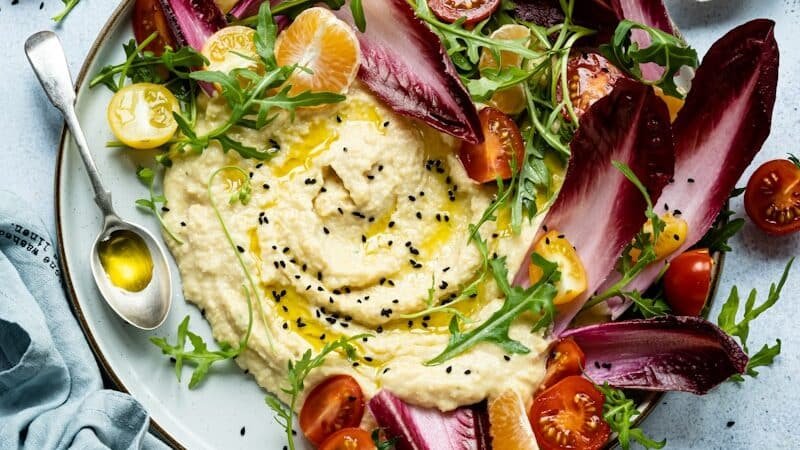
Understanding Hummus and its Ingredients
Hummus is a traditional Middle Eastern dip that has grown in popularity across the globe due to its rich flavor and versatility as a condiment or spread. Historically, hummus can be traced back to the Levant region, and its origins spark a passionate debate among countries such as Lebanon, Israel, and Palestine. Despite the controversy surrounding its birthplace, hummus has cemented itself as a staple in many cultures, enjoyed by vegetarians and meat-eaters alike due to its enticing taste and health benefits.
The primary ingredient in hummus is chickpeas, often referred to as garbanzo beans. These legumes are packed with protein, fiber, and essential vitamins, making them an excellent choice for a nutritional boost. Alongside chickpeas, tahini—a paste made from ground sesame seeds—adds a rich, creamy texture and a nutty flavor that is quintessential to authentic hummus. The use of high-quality tahini can elevate the overall taste and consistency of the dip.
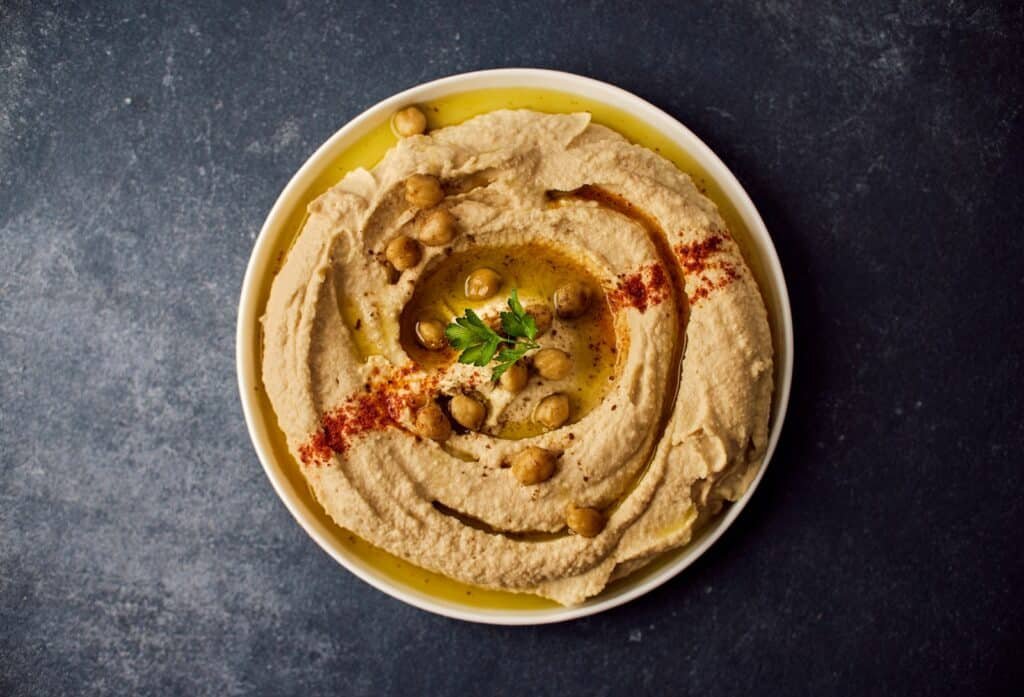
Other essential ingredients include fresh lemon juice, which imparts a zesty brightness, and garlic, contributing a robust savory element. Olive oil, often drizzled on top, not only enhances the flavor but is also loaded with healthy fats. Spices, such as cumin or paprika, can be added for additional depth and complexity. Together, these ingredients create a harmonious blend that is both flavorful and nourishing.
When selecting ingredients for homemade hummus, freshness is key. Opt for organic chickpeas where possible and choose high-quality tahini that is smooth and free from additives. Fresh garlic and lemon juice should be used for maximum flavor impact. By prioritizing quality ingredients, the taste and health benefits of the hummus will significantly improve, leading to a delightful culinary experience.
Essential Tools and Equipment for Hummus Making
To successfully make hummus at home, there are several essential tools and equipment that every cook should consider investing in. The primary device needed is either a high-quality blender or a food processor. While both appliances can effectively puree ingredients, a food processor often provides a smoother, more consistent texture, which is crucial for achieving the creamy consistency commonly associated with hummus. Popular brands include the Cuisinart Food Processor and the Vitamix Blender, both renowned for their performance and durability.
Additionally, measuring cups and spoons are vital for accurately measuring out ingredients such as tahini, lemon juice, and olive oil to ensure that the ratios are precise. This precision is vital to achieving the desired flavor profile of the hummus. Investing in a set of stainless-steel measuring tools, like those made by OXO or Pyrex, will facilitate easy cleaning and maintenance.
Mixing bowls are also important for combining ingredients before they are blended. Glass or ceramic bowls are preferred as they are non-reactive and easy to clean. Furthermore, when it comes to garnishing your hummus, having tools such as a microplane for zesting lemons and a knife for chopping herbs can enhance the presentation of your finished dish.
Finally, it’s essential to maintain hygiene and prolong the lifespan of your tools. Clean your equipment immediately after use; for blenders and food processors, disassembling them to wash each part is recommended. Most parts are dishwasher safe, but hand washing can help maintain the integrity of your utensils longer. By utilizing the right tools and maintaining them properly, you can create delicious homemade hummus with ease.
Step-by-Step Instructions for Making Perfect Hummus
Making homemade hummus is a straightforward process, and by following this step-by-step guide, you can achieve a creamy and flavorful dip that is perfect for any occasion. The foundation of hummus is chickpeas, which can either be dried and soaked or canned for convenience.
If you’re starting with dried chickpeas, begin by soaking them overnight in a large bowl with plenty of cold water. This will hydrate the chickpeas and reduce cooking time. The next day, drain the chickpeas and transfer them to a pot, covering them with fresh water. Bring the water to a boil, then lower the heat and simmer for 60 to 90 minutes, until the chickpeas are tender. Drain and let them cool.
For a quicker option, you can use canned chickpeas. Simply rinse and drain them under cold water. This not only removes excess sodium but also helps eliminate any tin taste that may linger.
Once you have your chickpeas ready, it’s time to blend. Place the chickpeas in a food processor. Add the juice of one lemon, two to three tablespoons of tahini, two cloves of minced garlic, and a pinch of salt. For extra flavor, consider adding a teaspoon of cumin or paprika at this point.
Begin blending the mixture. As it processes, slowly drizzle in about three tablespoons of cold water or olive oil to reach your desired consistency. A creamy hummus will require more liquids, while a thicker version may need less. Stop to scrape down the sides of the bowl every now and then to ensure even blending.
Taste your hummus and adjust the flavors as needed. If you prefer a stronger lemon or garlic flavor, feel free to add more. For a garnish, drizzle with olive oil and sprinkle with additional spices like paprika or fresh parsley before serving.
With these steps, you will create a delicious homemade hummus that you can enjoy with pita bread, veggies, or as a spread in sandwiches. Each ingredient plays a vital role in the taste, so experiment with proportions to find your perfect blend.
Customizing Your Hummus: Flavor Variations and Serving Suggestions
Hummus is not only a delicious dip but also a remarkably versatile one, allowing for an array of flavor variations that can cater to diverse palates. One of the most popular adaptations includes the incorporation of roasted red peppers, which brings a sweet and smoky essence to the traditional chickpea base. Simply blend in a few roasted red peppers along with your basic hummus ingredients to infuse this delightful flavor.
Another noteworthy variation is garlic hummus, where roasted or raw garlic can be included for those who relish a more robust flavor profile. To achieve a creamy texture while adding a depth to your hummus, consider mixing in tahini, a paste made from sesame seeds, as it complements the garlic beautifully. Additionally, fresh herbs such as basil, cilantro, or parsley can be blended in or used as a garnish to introduce a refreshing twist.
When it comes to serving suggestions, the possibilities are extensive. Hummus pairs excellently with a variety of dippers. Classic accompaniments include pita bread, which can be cut into triangles or served warm; and an assortment of fresh vegetable sticks, such as carrot, cucumber, or bell pepper, which offer a crunchy contrast to the smooth dip. For those who enjoy a more substantial snack, whole-grain crackers can elevate the experience with their nutty flavor.
Garnishing your hummus enhances its visual appeal and flavor. A sprinkle of paprika offers a subtle smokiness and vibrant color, while a drizzle of high-quality olive oil adds richness. Furthermore, a scattering of chopped parsley or a few toasted pine nuts can provide texture and aesthetic charm. These variations and serving suggestions not only guarantee an exquisite taste but also promote the joy of sharing hummus in a delightful and engaging way.