
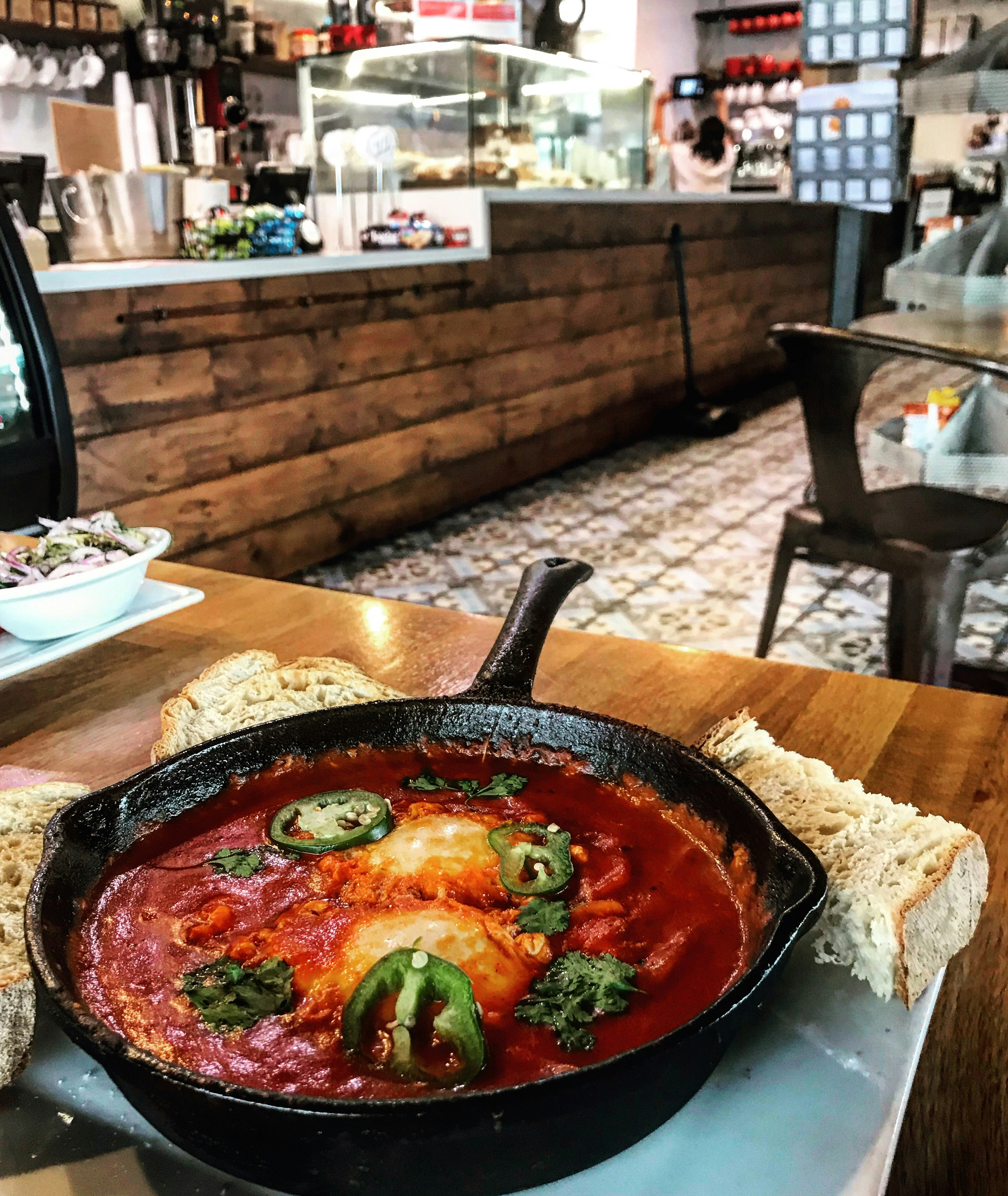
Introduction to Shakshuka
Shakshuka is a flavorful dish that has found a place in the hearts and kitchens of many cultures around the world. Originally crafted in North Africa, shakshuka consists of poached eggs immersed in a spicy tomato sauce, often enhanced with various vegetables and spices. Its historical routes trace back to the Maghreb region, where it was considered a staple meal among local communities.
Over the years, shakshuka has transcended its geographical boundaries and has become particularly popular in Middle Eastern countries, including Israel, where it has evolved into a beloved breakfast item. The simplicity of its preparation, combined with the richness of its flavors, has made it a sought-after dish on brunch menus globally. What makes shakshuka stand out is its communal nature; often served in a large skillet, it encourages sharing and togetherness, embedding itself as a cultural symbol of hospitality.
The traditional preparation of shakshuka begins with sautéing onions and peppers, complemented by garlic and spices such as cumin and paprika, which lend the dish its signature warmth and depth. The addition of fresh tomatoes—a key ingredient—creates a luscious sauce in which the eggs are delicately poached, allowing for a beautiful melding of flavors. Over time, various regional adaptations have emerged, incorporating diverse ingredients such as feta cheese or herbs, showcasing the dish’s versatility.
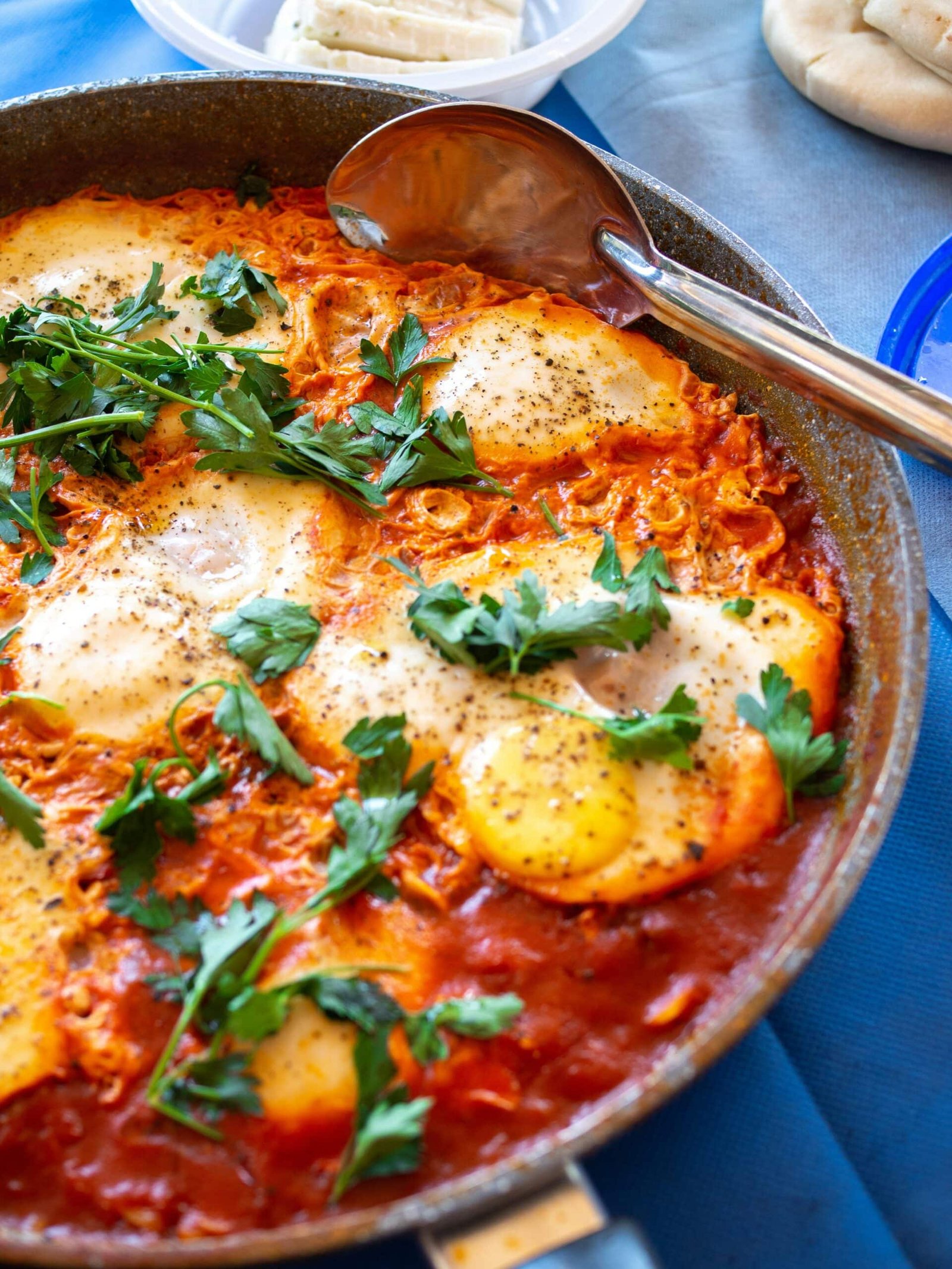
As shakshuka continues to gain popularity outside its origins, it serves not only as a delicious meal but also as a reminder of culinary traditions and cultural exchange. Each iteration of this dish reflects the unique tastes and preferences of the communities that adopt it, making shakshuka a true emblem of gastronomic diversity.
Essential Ingredients for the Perfect Shakshuka
Shakshuka is a vibrant and flavorful dish that relies on a core set of ingredients to create its signature taste. At the heart of this Middle Eastern favorite are fresh tomatoes, which provide the base for the sauce. Using ripe, in-season tomatoes is crucial, as their sweetness and acidity balance beautifully with the other components. Alternatively, canned tomatoes can be used when fresh options are not available, ensuring year-round access to this delightful dish.
Bell peppers add a crunchy texture and a slight sweetness to shakshuka, enriching the overall flavor profile. Green or red bell peppers are commonly used, and they should be diced into small pieces for even cooking. Onions and garlic are also essential; onions introduce a savory depth, while garlic infuses the dish with aromatic qualities that complement the other ingredients.
Of course, eggs are the centerpiece of any shakshuka. They are cracked into the simmering tomato sauce, where they poach until the whites are set but the yolks remain runny, creating a delightful contrast in textures. For variations, consider opting for different types of eggs such as duck eggs, which are richer and can enhance the flavor further.
In addition to these foundational ingredients, there is room for customization. For instance, various spices like cumin, paprika, and chili flakes can be added to elevate the dish’s complexity. Fresh herbs such as parsley or cilantro can be sprinkled on top for a refreshing finish. Furthermore, the inclusion of proteins such as feta cheese, olives, or chickpeas can enrich the shakshuka, providing additional layers and making it a heartier meal.
Step-by-Step Instructions to Prepare Shakshuka
To prepare a delightful shakshuka from scratch, follow these detailed step-by-step instructions to ensure a harmonious blend of flavors and textures. The journey begins with the preparation of fresh vegetables. Start by finely chopping one medium onion and two cloves of garlic. Remove the seeds from one bell pepper (red or green) and chop it into small pieces. Also, have ready three medium tomatoes, which should be diced, or alternatively, you can use canned tomatoes for convenience.
Next, heat a tablespoon of olive oil in a large skillet over medium heat. Once the oil is shimmering, add the chopped onion and sauté until it becomes translucent, usually taking about 5 minutes. Incorporate the garlic and bell pepper, cooking for an additional three to four minutes until they soften. This step not only enhances the flavor profile but also sets the stage for further ingredients.
Once the vegetables are tender, stir in the diced tomatoes and season the mixture with salt, pepper, and a pinch of paprika, cumin, or even cayenne for some heat. Allow this sauce to simmer for about 10-15 minutes, giving it time to thicken and the flavors to meld together. Keep a close eye to ensure it does not burn at the bottom.
Now, we arrive at the crucial step of poaching the eggs. Using the back of a spoon, create small wells in the sauce and gently crack the eggs into these wells. Cover the skillet with a lid and allow the eggs to poach for about 5-8 minutes, or until the whites are set but the yolks remain runny. This technique ensures the perfect texture, giving the shakshuka its signature appeal.
For serving, garnish the shakshuka with fresh herbs such as cilantro or parsley and a sprinkle of crumbled feta cheese, if desired. Serve hot, preferably with crusty bread for dipping. Following these steps will make your shakshuka a delightful experience, balancing flavor and presentation effectively.
Serving Suggestions and Variations
When it comes to enjoying shakshuka, the possibilities for serving and customization are vast. Traditionally, shakshuka is served directly from the pan, allowing guests to scoop portions into their plates. Accompanying side dishes can enhance the taste of this savory dish. Consider offering warm pita bread, fresh crusty bread, or even crusty rolls to complement the rich tomato sauce and perfectly poached eggs. Additionally, a side of mixed greens dressed lightly with olive oil and lemon can bring a refreshing contrast to the warm spices of shakshuka.
Garnishes are also key in elevating the presentation of shakshuka. Chopped fresh herbs such as cilantro, parsley, or mint can be sprinkled on top just before serving, providing fresh flavors and a burst of color. Crumbled feta cheese or a dollop of creamy labneh can add a rich, tangy element that balances the dish nicely. For those who enjoy a bit of heat, a sprinkle of red pepper flakes or a drizzle of harissa can offer an exciting kick.
Furthermore, exploring variations of shakshuka can lead to new culinary experiences. For instance, you might try adding ingredients such as spinach or kale for added nutrition and flavor. Alternatively, you can experiment with regional adaptations; in North Africa, you might find shakshuka mixed with spiced lamb, while in Israel, roasted peppers and eggplant can be incorporated. Techniques like baking or broiling can also produce delightful textural contrasts, providing a slightly charred top to your eggs.
As for beverage pairings, consider serving shakshuka with a refreshing salad and a glass of chilled mint tea, or if you prefer something heartier, a robust red wine can also complement the flavors beautifully. The key is to create a dining experience that feels both satisfying and uniquely yours.