
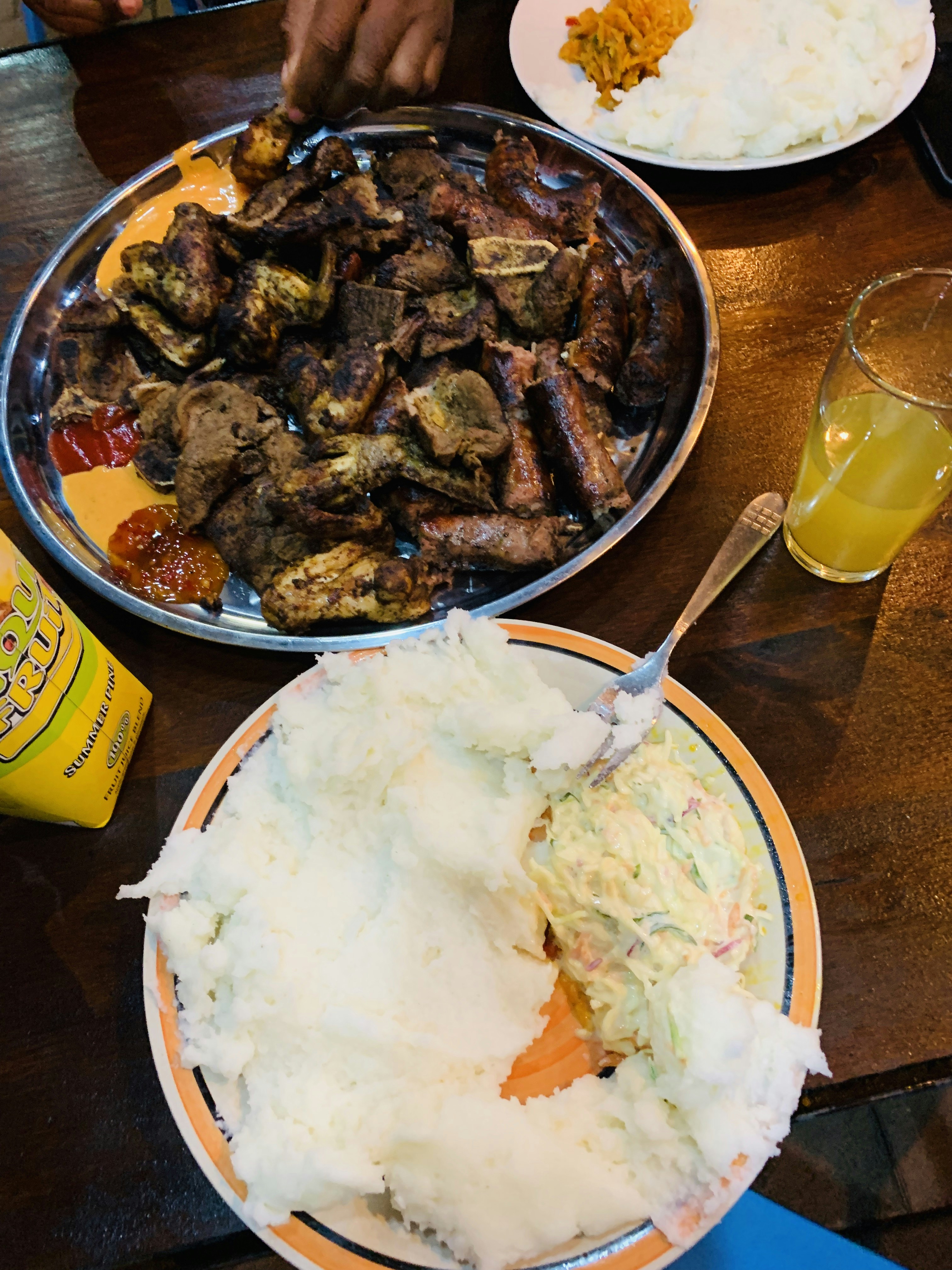
Introduction to Nshima: Understanding the Basics
Nshima is a staple food in Zambian cuisine, recognized for its central role in meals across the nation. Made primarily from maize flour, it is a traditional dish that has been consumed for generations. Similar to ugali, which is typical in various East African countries, nshima serves as a filling accompaniment to a variety of local dishes. While both nshima and ugali share similar foundational ingredients, their textures and preparation methods may differ slightly, reflecting the diverse culinary traditions of the region.
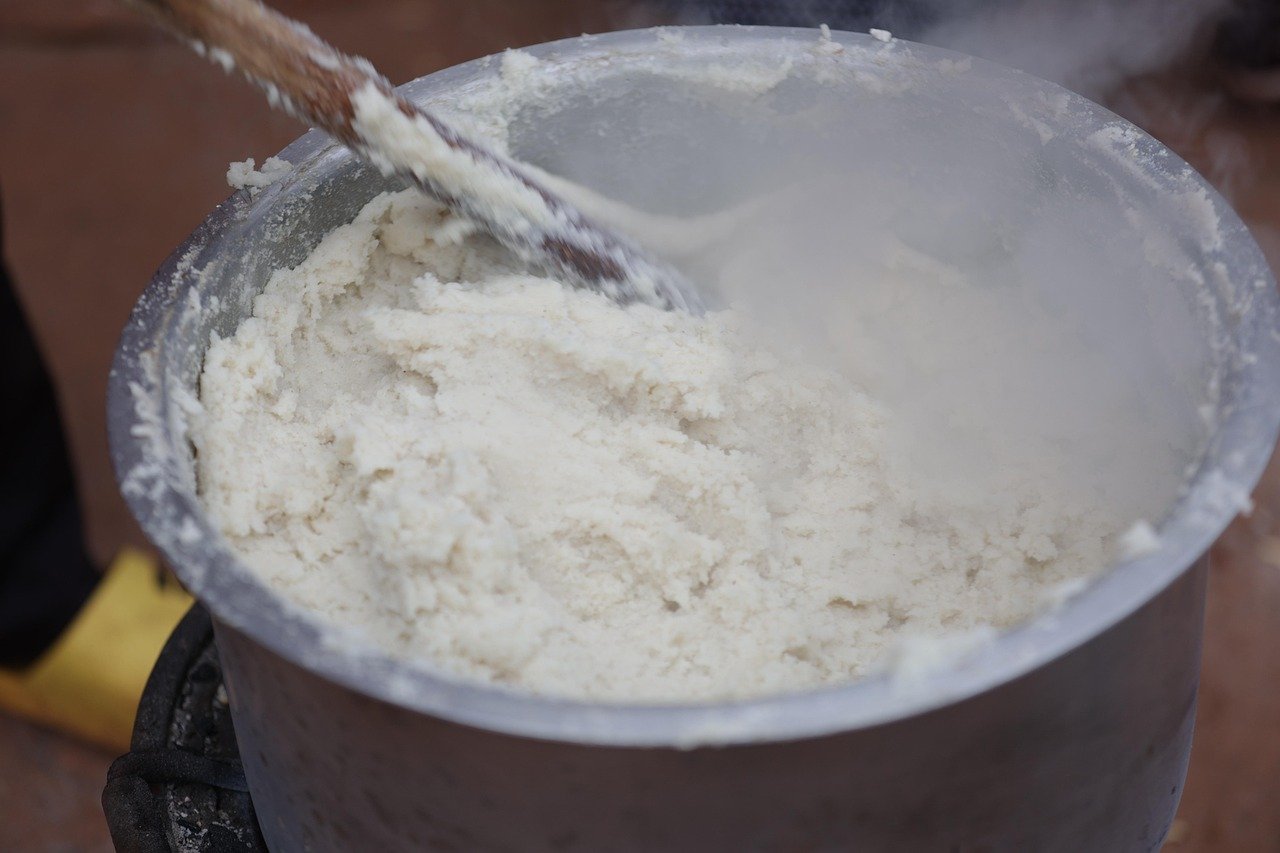
Historically, nshima has roots that intertwine with Zambian agriculture and food culture. Maize, the key ingredient, is a primary crop in Zambia and represents both sustenance and livelihood for many families. In this context, nshima reflects not just a meal but a vital component of social gatherings and celebrations, often served prominently during family feasts or community events. As Zambians gather around a nshima bowl, they share more than just food; they partake in a tradition that fosters unity and cultural identity.
Regionally, variations of nshima exist, influenced by local ingredients and culinary practices. Some variations incorporate millet or cassava flour, which can subtly alter the flavor and texture. The dish is typically served with relish, comprised of vegetables, meat, or fish, providing a well-rounded meal. Common vegetables used as relish include cassava leaves, pumpkin leaves, and tomatoes, demonstrating the versatility of this staple food. The preparation of nshima involves simple steps: boiling water, adding the flour gradually, and stirring until it reaches a firm, dough-like consistency. This process highlights the tradition of communal cooking, where families often prepare meals together.
Nshima’s significance extends beyond sustenance. Its cultural importance within Zambian society and relative familiarity to ugali makes it an essential subject for exploration in culinary discussions. This review aims to elevate the appreciation of nshima as a unique culinary experience deserving of attention, showcasing its rich history and adaptability across various contexts.
How Nshima is Made: Traditional Preparation Methods
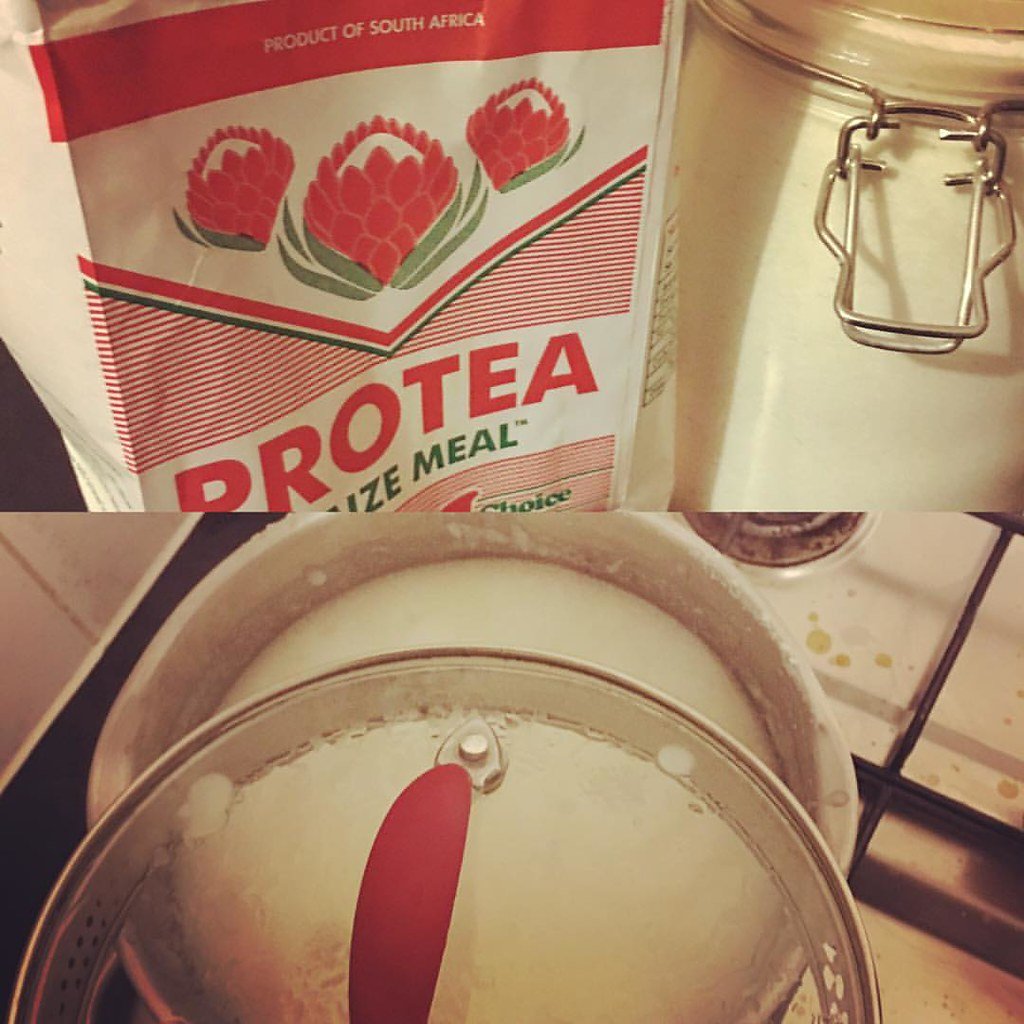
Nshima, a staple dish in many Southern African countries, is primarily made from maize meal. The preparation process begins with selecting high-quality maize grains. These grains are typically sun-dried and then milled to create a fine flour, known as mealie meal. It is essential to ensure that the maize is fresh, as the quality of the meal significantly affects the final texture and flavor of the nshima.
Once the ingredients are prepared, the cooking process begins. Traditionally, nshima is made by mixing the maize meal with water in a pot, initially creating a porridge-like consistency. It requires constant stirring to prevent lumps from forming, which is critical for achieving a smooth texture. The cook, often referred to as the ‘mother of the house,’ plays a crucial role in this process. Her experience and skill in stirring the nshima are essential; she typically uses a wooden stick, known as a ‘lufwiti,’ to ensure even cooking.
As the mixture heats, the nshima begins to thicken. At this stage, water may be added gradually to achieve the desired consistency. The final product should be firm enough to mold into shape yet soft enough to be easily consumed. Following cooking, nshima is usually served as a large portion placed on a communal plate, promoting a sense of togetherness in the meal. It can be accompanied by a variety of side dishes, such as vegetables or stews, which enhance its nutritional value and flavor.
In many communities, communal cooking is a cherished tradition, where families gather to prepare nshima together, fostering a spirit of unity. The serving of nshima alongside multiple sides exemplifies its versatility and importance in their cultural cuisine. Through these traditional methods, nshima is not just a meal; it embodies the rich heritage and collective identity of those who prepare and enjoy it.
Tasting Nshima: Flavor Profile and Dining Experience
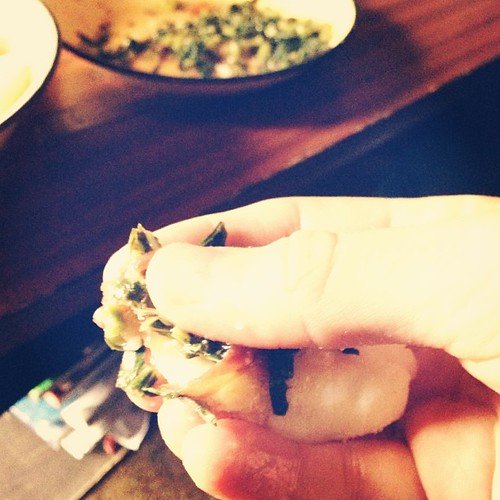
Nshima, a staple food in Zambia, provides a unique culinary experience that is characterized by its distinct texture and mild flavor. This dish, made primarily from maize flour, offers a smooth, dough-like consistency that is both comforting and satisfying. Upon tasting, one will notice its subtle flavor, which is often described as neutral, allowing it to pair well with a variety of accompaniments such as stews, vegetables, or spicy sauces. This versatility is one of the reasons why nsima is a beloved component of many Zambian meals.
The aroma of nsima is gentle and unassuming, reminiscent of freshly cooked corn, which may evoke feelings of home and comfort to those familiar with it. The dining experience of enjoying nsima is often communal, where families and friends gather around a shared platter. This aspect enhances the sensory experience as the food is not only about the flavors but also the cultural practices associated with sharing meals. Traditionally, nsima is eaten by hand, and diners form small balls of the dish to scoop up accompanying sauces and proteins, creating an engaging eating experience that emphasizes togetherness.
Nshima in Everyday Life: Its Role and Significance
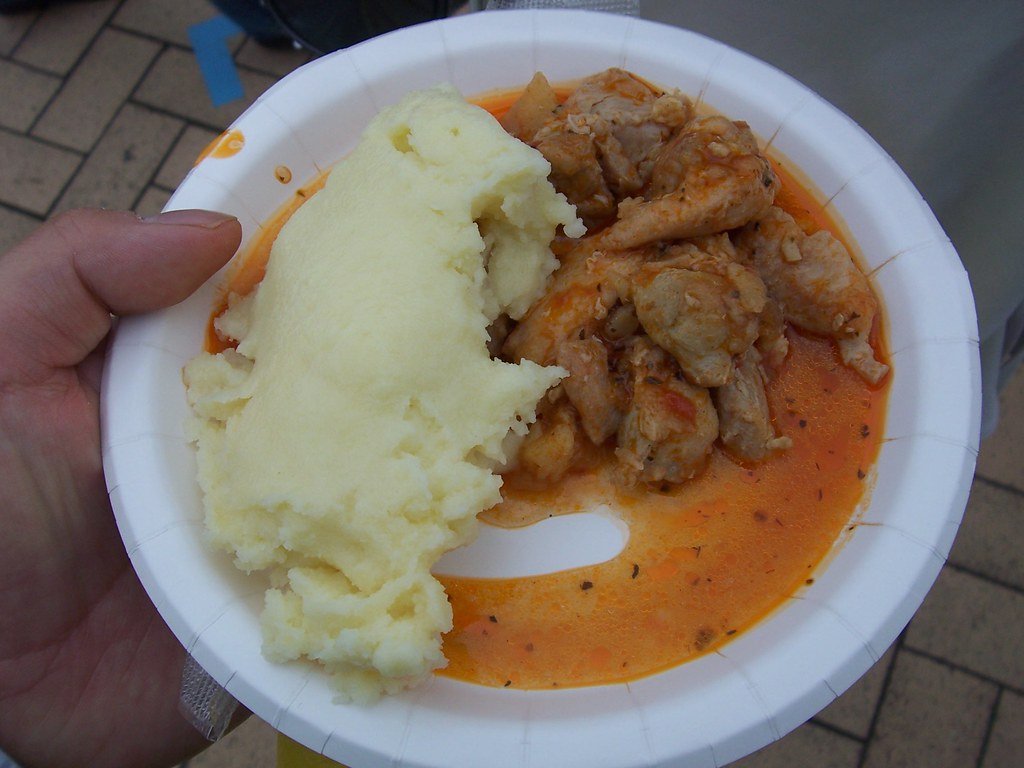
Nshima, a traditional staple food made from ground maize, holds a prominent place in Zambian society, both as a daily dietary component and as a key element in various cultural and religious practices. This versatile dish serves as the foundation of most meals, providing an essential source of carbohydrates that sustains individuals in their daily activities. In households across Zambia, nsima is prepared to accompany a variety of relishes, such as vegetables, meats, and sauces, making it a central feature in the national cuisine.
Beyond its nutritional value, nsima symbolizes unity and togetherness. It is typically enjoyed in communal settings, where family and friends gather to share not only the meal but also their experiences and stories. This practice reinforces social bonds, as sharing nsima often signifies hospitality and inclusiveness. In many communities, it is common for members to partake in nsima during milestones such as weddings, funerals, and celebrations, highlighting its significance in various life events. The act of preparing and consuming nsima together fosters a sense of belonging and cultural identity.
Moreover, nsima plays a significant role in religious ceremonies and rituals. During special occasions, the preparation of this meal transcends mere sustenance; it becomes a profound gesture of respect and gratitude. Various cultural beliefs associate nsima with blessings and prosperity, underscoring its importance in spiritual practices. In contemporary society, nsima continues to adapt, often incorporating modern dietary trends that focus on healthier preparations, such as gluten-free options using alternative grains.
As Zambians navigate the complexities of modern life, nsima remains a cherished constant, bridging the gap between tradition and innovation. Its heartfelt presence at the table is a testament to its enduring significance in Zambian culture and its ability to evolve alongside the changing dietary landscape.