

- Introduction to Jollof Rice
- Key Ingredients for the Perfect Jollof Rice
- The Best Cooking Techniques
- Common Mistakes to Avoid
- Bringing Flavor with Spices and Seasoning
- Enhancing Your Jollof Rice with Proteins and Vegetables
- Serving Suggestions and Side Dishes
- Tips for Meal Prepping and Storage
- Conclusion: Mastering the Art of Jollof Rice
Introduction to Jollof Rice
Jollof rice is a quintessential dish in West African cuisine, renowned for its enchanting flavors and vibrant presentation. The origins of jollof rice can be traced back to the Senegambian region, where it is believed to have evolved from a dish called “benachin,” meaning “one pot” in the Wolof language. Over the years, this dish has traveled across various countries, particularly Nigeria and Ghana, each adopting and modifying the recipe to incorporate local ingredients and culinary techniques.
In West Africa, jollof rice holds a special place during festivities and gatherings. It is often the centerpiece of celebrations such as weddings, birthdays, and communal feasts. As a beloved staple in households, it serves as a symbol of unity and hospitality, with families coming together to share this delightful meal. Its popularity transcends borders, leading to friendly rivalries among nations regarding who prepares it best.
Variations of jollof rice can be found throughout the region, each with distinct flavors and cooking methods. For instance, Nigerian jollof rice is known for its smoky finish and the bold use of spices, while Ghanaian jollof rice often features a sweeter undertone due to the inclusion of sugar and additional vegetables. Other countries, including Senegal and Sierra Leone, have their versions, showcasing the versatility and adaptability of this dish.
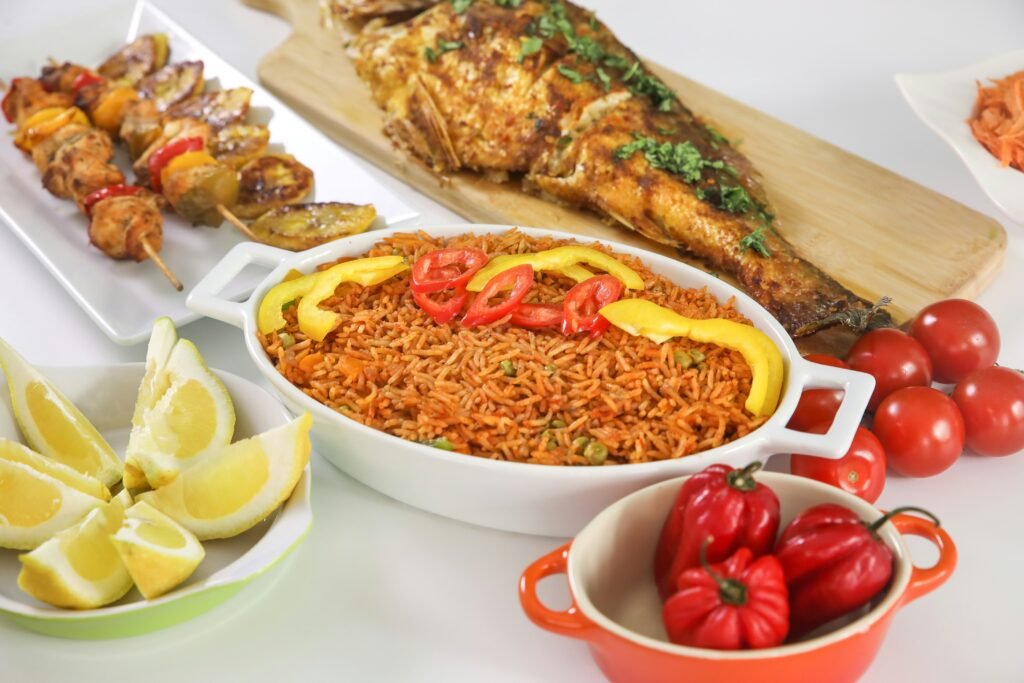
What makes jollof rice so captivating is not only its rich taste but also the memories and tradition associated with it. Each preparation tells a story, not only through its ingredients but also through the people and cultures that savor it. As we explore the intricacies of perfecting the jollof rice recipe, we will discover the elements that contribute to this beloved dish’s status and its cultural significance in West African society.
Key Ingredients for the Perfect Jollof Rice
Jollof rice is a beloved West African dish, celebrated for its vibrant flavors and comforting nature. The success of this dish heavily relies on the quality and proportions of its key ingredients. The core components of a delicious jollof rice recipe include rice, tomatoes, onions, and bell peppers. Each ingredient serves a crucial function in building the dish’s signature taste and texture.
First and foremost, selecting the right type of rice is essential. Long-grain rice, such as basmati or jasmine, tends to work best for achieving that desired fluffy texture. When cooked properly, this kind of rice has the ability to absorb the rich blend of flavors from the jollof sauce without becoming mushy.
The sauce itself is primarily made from fresh tomatoes, which should be ripe and sweet for optimal flavor. Many recipes also incorporate tomato paste to enhance the richness and depth of the sauce. Onions are another vital component, as they contribute to the overall sweetness and depth of flavor when sautéed until translucent.
Bell peppers, especially red ones, not only add a pop of color but also bring a delightful sweetness and slight earthiness to the dish. When combined with the tomatoes and onions during the cooking process, they create a vibrant sauce that serves as the foundation for the rice.
Optional ingredients like meats (such as chicken, beef, or shrimp) and spices (like thyme, bay leaves, or curry powder) can be added to personalize your jollof rice recipe further. These additions can elevate the dish to new heights by introducing layers of flavor. It is important to balance the proportions of these ingredients to ensure that no single flavor overpowers the others, leading to a harmonious and delicious jollof rice dish.
The Best Cooking Techniques
Perfecting your jollof rice recipe is not solely dependent on the ingredients you choose but also significantly on the cooking techniques you employ. Two common methods of cooking jollof rice are the parboiling method and the one-pot method. Each technique offers unique advantages that can affect the final texture and flavor of the rice.
The parboiling method involves partially boiling the rice before adding it to the sauce. This technique allows the rice to absorb the flavorful essence of the sauce while ensuring even cooking. It is essential to monitor the boiling time carefully, as over-parboiling can lead to mushy rice. Once the rice is parboiled, it should be rinsed under cold water to halt the cooking process. Subsequently, it is combined with the sautéed onions and tomatoes, allowing it to soak in all the rich and aromatic flavors.
In contrast, the one-pot method combines all ingredients from the onset. This approach simplifies the cooking process as all components — the rice, sauce, and seasonings — are cooked simultaneously. While this method may save time, it requires careful stirring and monitoring to prevent the rice from burning at the bottom. The key to success in the one-pot technique lies in the right water-to-rice ratio and the quality of the sautéed base. Sautéing onions and tomatoes until they form a vivid, aromatic base is crucial. This step helps release natural sugars, creating depth in flavor.
Ultimately, achieving the perfect texture and flavor in your jollof rice hinges on both the chosen cooking method and diligent attention to detail throughout the process. Experimenting with these techniques will allow you to discover which method aligns perfectly with your taste preferences, leading to countless successful cooking ventures in creating this beloved dish.
Common Mistakes to Avoid
When preparing the beloved jollof rice, home cooks often encounter several pitfalls that can compromise the overall quality of their dish. One of the most common mistakes is cooking the rice for too long. Overcooked rice can become mushy and lose the desired texture that is characteristic of well-made jollof rice. It is crucial to monitor the cooking time closely, ensuring that the rice retains a firm bite and absorbs the rich flavors of the sauce without turning to a soft consistency.
Inadequate seasoning is another frequent mistake. Jollof rice relies heavily on a well-balanced blend of spices and ingredients, including tomatoes, onions, and pepper. Insufficient flavoring can lead to a bland dish that does not reflect the depth of traditional jollof rice. To avoid this, it is recommended to thoroughly taste and adjust seasoning throughout the cooking process, ensuring a harmonious balance of flavor. Additionally, utilizing fresh, high-quality ingredients will greatly enhance the overall taste of the dish.
One must also consider the importance of not rushing the cooking process. Jollof rice, like many other dishes, benefits from patience. Many home cooks may be tempted to speed up the cooking time by increasing the heat. However, this can result in uneven cooking or burnt rice at the bottom. Instead, it is advisable to maintain a steady, moderate heat and allow the rice to cook slowly, which will help meld the flavors together seamlessly. Taking the time to achieve the right texture and flavor profile is key to creating an authentic jollof rice experience.
Bringing Flavor with Spices and Seasoning
One of the critical elements in perfecting your jollof rice recipe lies in the thoughtful application of spices and seasonings. The intricate layering of flavors not only enhances the dish’s aroma but also elevates its overall flavor profile. Traditional spices such as thyme and bay leaves are essential for infusing a fragrant essence into the rice. Thyme imparts a subtle earthiness, while bay leaves provide a hint of herbal bitterness, creating a delightful balance of tastes.
Curry powder is another renowned seasoning often included in jollof rice recipes. This spice blend, which typically comprises turmeric, cumin, and coriander, introduces a warm and slightly spicy character to the dish. It’s crucial to incorporate these spices at various stages of the cooking process to ensure they are adequately infused into the rice. For instance, adding spices during the sautéing of onions and tomatoes helps to extract their flavors, making every grain of rice vibrant and flavorful.
When preparing jollof rice, adjusting the spice levels to suit individual palates is also essential. Some may prefer a milder taste, while others may desire a more robust flavor. One effective way to achieve this is by starting with small quantities of spices and gradually increasing them. Tasting as you go allows for better control over the seasoning, ensuring that the final dish meets personal preferences without overwhelming the palate. Additionally, incorporating other ingredients like bell peppers or chili can enhance the dish’s flavor while contributing a unique twist. Therefore, the careful selection and blending of spices and seasonings are vital in creating a truly memorable jollof rice experience.
Enhancing Your Jollof Rice with Proteins and Vegetables
Jollof rice is a beloved West African dish known not only for its vibrant flavor but also for its versatility. Incorporating proteins and a variety of vegetables can elevate jollof rice, creating a more balanced and nutritious meal. The addition of proteins such as chicken, beef, goat, or fish not only enriches the dish but also contributes essential nutrients. For instance, grilled chicken or fried fish complements the rice beautifully, adding both texture and flavor.
When choosing proteins, it is essential to consider how they will harmonize with the spices and the overall profile of the jollof rice. Chicken, marinated in spices and sautéed before adding it to the rice, can provide a hearty component, while seafood options like shrimp deliver a lighter touch. Vegetarian options such as beans or lentils are also great choices that maintain the nutritious aspect while making the dish accessible to a wider audience.
In addition to proteins, incorporating a variety of vegetables is crucial for enhancing the nutritional value of the meal. Popular choices include bell peppers, onions, and peas. These not only contribute to the flavor but also add texture and color, making the final dish visually appealing. Incorporating vegetables allows for a more balanced meal, enriching it with vitamins and fiber. Some regional variations of jollof rice showcase unique vegetables specific to local agriculture, allowing for an array of flavors that reflect the culture of that region.
As you prepare your jollof rice, experiment with different combinations of proteins and vegetables to discover flavor profiles that suit your taste. Each choice can impart a unique character to this iconic dish, offering an endless source of creativity in meal preparation. Ultimately, enhancing your jollof rice with these ingredients not only elevates your dish but also contributes to a balanced and satisfying culinary experience.
Serving Suggestions and Side Dishes
Jollof rice, a beloved dish in many West African countries, not only stands out with its vibrant color and rich flavor but also provides many options for presentation and accompanying dishes. When serving jollof rice, creating an appealing presentation can heighten the dining experience. A widely embraced method is to mold the rice into a mound or serve it in a large, attractive bowl, allowing guests to help themselves. Garnishing the rice with fresh herbs like parsley or cilantro, or including subtle slices of pepper or onion, can enhance its visual appeal.
To complement jollof rice, a variety of sides can enrich the meal and cater to diverse taste preferences. Fried plantains, known locally as “dodo,” are a popular choice. Their sweetness and crisp texture contrast beautifully with the spiced rice, creating a balanced palate. Another excellent side is coleslaw, which introduces a refreshing crunch and a hint of creaminess, perfectly offsetting the savory notes of the jollof. You might also consider grilled proteins such as chicken, fish, or beef, which add heartiness and additional flavors to the table.
Additionally, a simple salad made with crisp greens, tomatoes, and cucumbers can offer a vibrant and healthful touch. This not only complements the overall meal but also helps in balancing the richness of the dish. For those seeking a spicy kick, serving jollof rice alongside stews or sauces, such as pepper sauce or a spicy chicken stew, can elevate the experience further. These accompaniments allow diners to tailor their meal according to their preferences, ensuring a delightful and memorable dining experience.
Tips for Meal Prepping and Storage
Meal prepping can significantly enhance your overall culinary experience, especially when it comes to a beloved dish like jollof rice. First, consider preparing larger quantities in advance. Jollof rice holds up well when stored properly, making it an excellent option for meal prep. Begin by cooking a fresh batch of jollof rice using your favorite recipe, ensuring you achieve the desired flavor and texture.
Once cooked, allow the rice to cool down to room temperature before transferring it to an airtight container. Proper storage is crucial for maintaining the quality and taste of your jollof rice. To store it in the refrigerator, keep the rice in a single layer within the container to facilitate even cooling and to prevent clumping. When stored correctly, jollof rice can last for up to four days in the fridge.
If you wish to extend the shelf life of your dish, consider freezing the jollof rice. Freeze portions in individual freezer bags or containers, making it convenient when you want to enjoy a quick meal later on. For optimal results, consume frozen jollof rice within three months. When ready to eat, thaw it in the refrigerator overnight, and then reheat it until piping hot.
In terms of reheating, it’s important to do so gently to preserve both flavor and moisture. Using a microwave, add a splash of water to the rice before covering it with a damp paper towel to retain moisture. Alternatively, reheat it on the stovetop over low heat, adding a bit of broth or water to keep the rice from drying out. This technique not only keeps your meal flavorful but also enhances the enjoyable texture that jollof rice is known for.
Conclusion: Mastering the Art of Jollof Rice
In wrapping up this comprehensive guide on perfecting your jollof rice recipe, it is essential to highlight the key insights that facilitate the mastery of this beloved dish. Jollof rice is not merely a recipe; it is an experience that resonates with the rich culinary traditions of West Africa. The importance of selecting high-quality ingredients cannot be overstated, as they lay the foundation for a flavorful and aromatic dish. Using fresh tomatoes, vibrant spices, and properly cooked rice ensures that each grain is imbued with the signature taste that defines authentic jollof.
Moreover, experimenting with proportions and cooking techniques allows personal creativity to flourish. Each cook brings their unique flair to the dish, and such experimentation is encouraged. Whether it is through adjusting spice levels or incorporating additional ingredients like vegetables or proteins, customizing your jollof rice recipe can result in a delightful culinary creation that reflects your personal palate and heritage.
Additionally, it is important to engage in the joyful act of sharing jollof rice with family and friends. This dish often serves as a centerpiece during gatherings, symbolizing community and celebration. The communal aspect of preparing and enjoying jollof rice fosters connections among loved ones, making each meal a cherished occasion.
As you embark on your journey to master jollof rice, remember that practice and patience are paramount. Each attempt improves your technique, bringing you closer to that perfect blend of flavors and textures. Keep in mind the nuances that elevate jollof rice from mere sustenance to an extraordinary gastronomic delight. Ultimately, the art of jollof rice is about embracing tradition while allowing personal innovation to shine through, making every cooking experience truly special.