
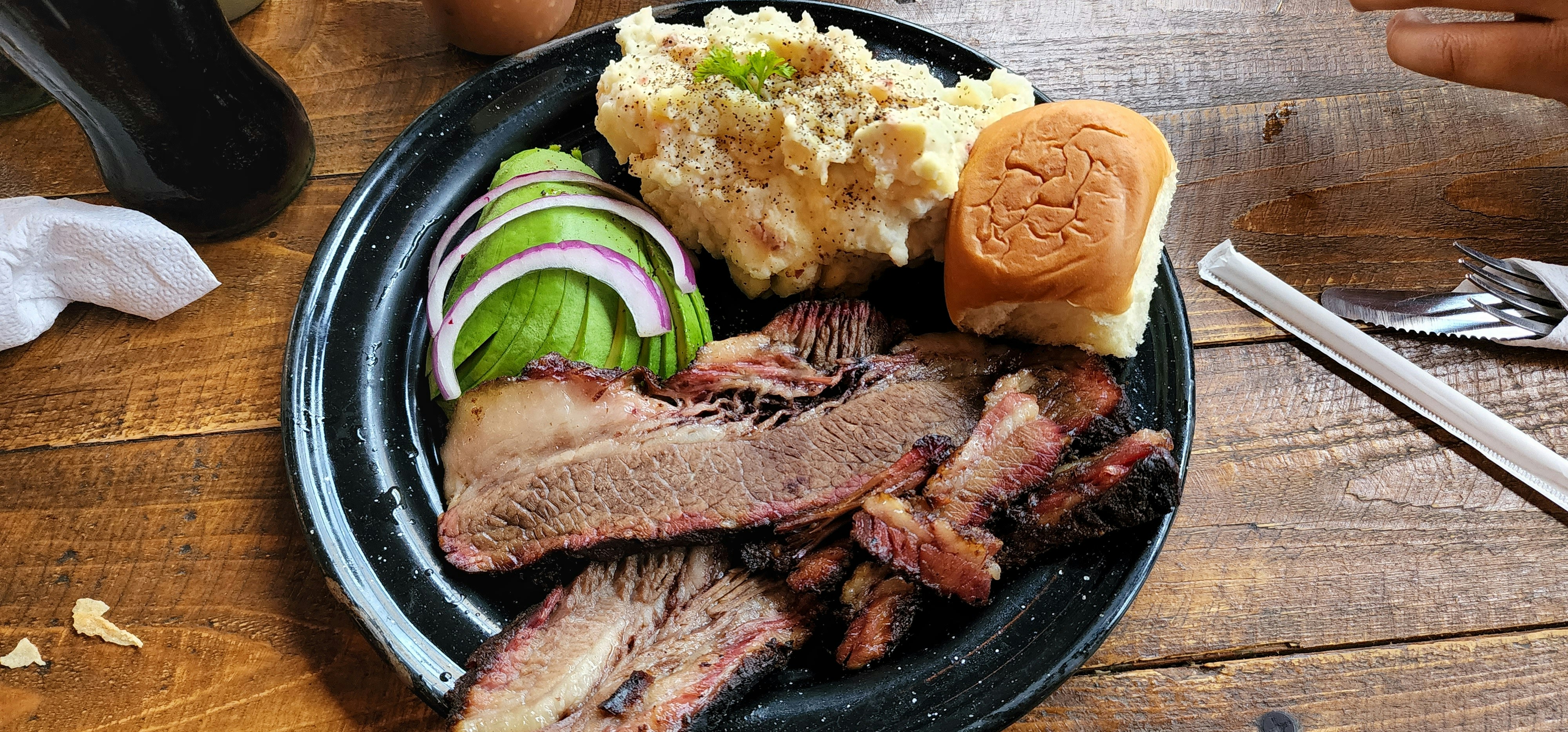
- Introduction to Texas Style Beef Brisket
- The Origin of Beef Brisket in Texas
- The Cultural Significance of Texas Style Beef Brisket
- Understanding the Cut: What Makes Brisket Special
- The Cooking Techniques Behind Texas Style Brisket
- Tasting Texas Style Beef Brisket: Flavor Profiles and Textures
- Pairings and Sides: What Goes Best with Brisket
- Regional Variations of Brisket in Texas
- Brisket in Contemporary Cuisine: Trends and Innovations
Introduction to Texas Style Beef Brisket
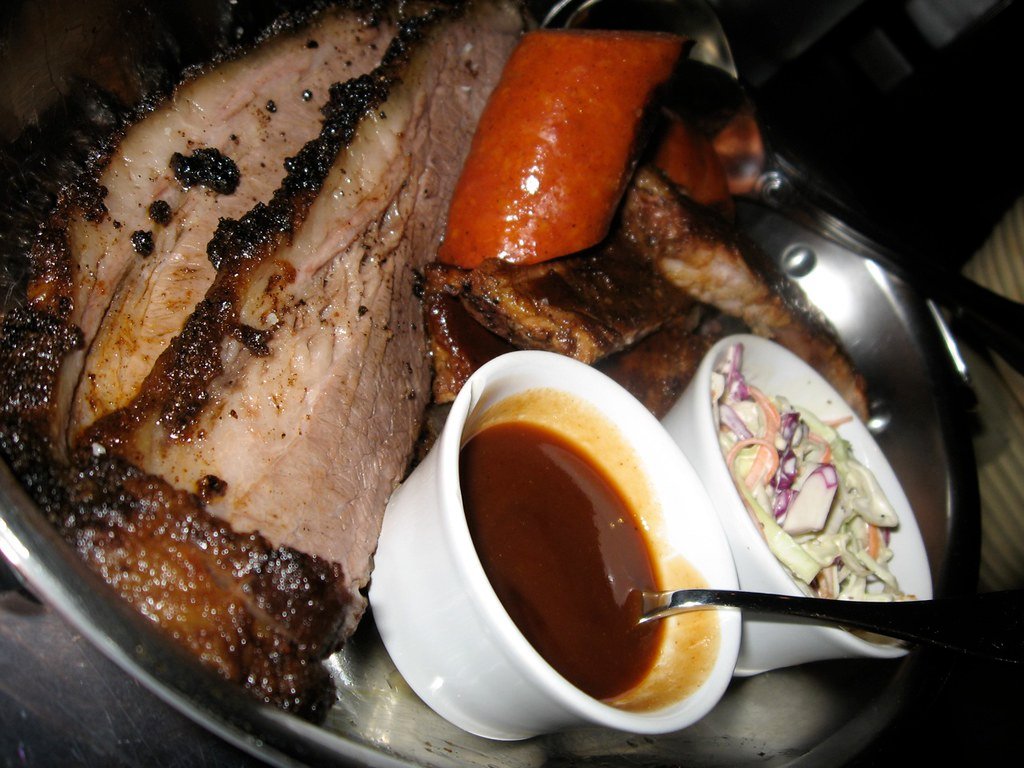
Texas style beef brisket is a culinary icon that epitomizes the heart and soul of Texan cuisine and barbecue culture. Renowned for its rich flavors and tenderness, this dish has cemented itself as a staple in the diet of many Texans and aficionados of barbecue throughout the United States. The preparation of beef brisket, particularly in the Texas style, showcases a commitment to barbecue mastery that has been passed down through generations, making it not just a meal but a tradition.
At the core of Texas style beef brisket lies the choice of cut. Brisket, taken from the chest of the cow, is known for its robust flavor and high-fat content, which contributes to the tender and juicy outcome when cooked correctly. Traditional preparation methods involve slow smoking over an indirect heat source, often using hardwoods such as oak, mesquite, or hickory to impart distinctive smoke flavors. This technique emphasizes the importance of time and temperature in achieving the perfect brisket—a hallmark characteristic of Texas barbecue.
The significance of Texas style beef brisket goes beyond mere gastronomy; it represents community, celebration, and social gatherings. From family barbecues to competitive smoking events, these gatherings often center around the preparation and enjoyment of brisket. Additionally, the rise of barbecue joints and smokehouses across Texas further highlights the dish’s prominence in the culinary scene. Each establishment may bring its unique twist to the recipe, employing various rubs, marinades, and cooking methods, thereby enriching the diverse landscape of Texas barbecue.
In this comprehensive guide, we will delve deeper into the various aspects that make Texas style beef brisket a beloved classic, exploring cooking techniques, seasoning choices, and the cultural significance that underscores its status in the American culinary repertoire.
The Origin of Beef Brisket in Texas
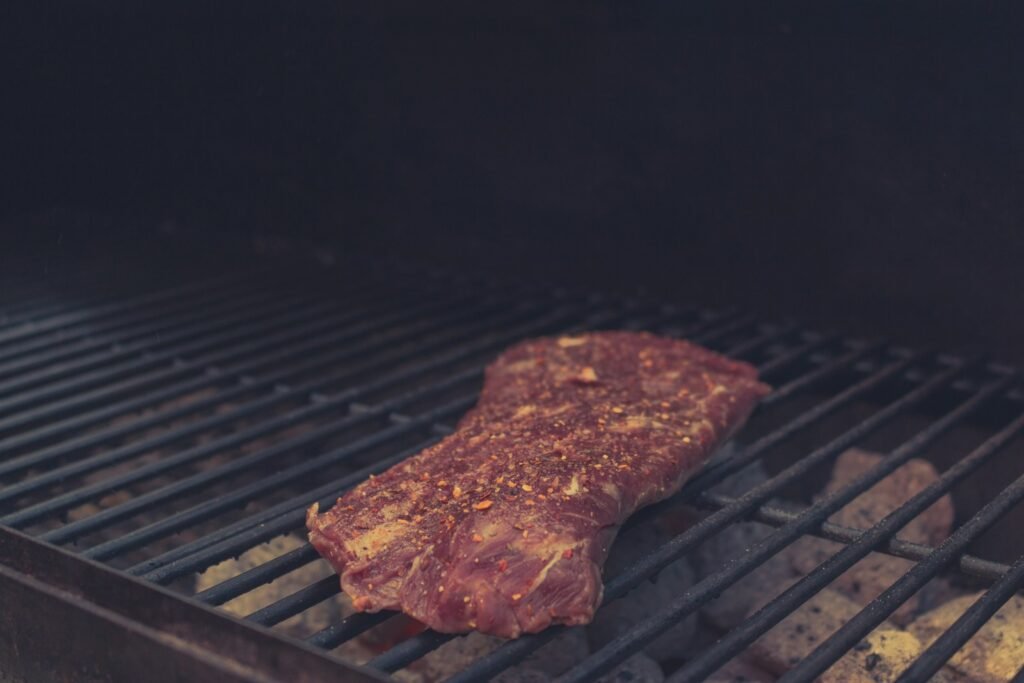
Beef brisket has a storied history in Texas, tracing its roots back to the early days of cattle ranching in the 19th century. As settlers migrated into the region, they brought with them various culinary influences, with beef emerging as a central component of their diets. The vast plains of Texas provided the perfect backdrop for cattle ranching, allowing for a robust beef industry to flourish. Among the different cuts of meat, brisket, sourced from the lower chest of the cow, became particularly popular due to its flavor and texture when cooked properly.
The evolution of brisket into a culinary staple is significantly influenced by the German and Czech immigrants who settled in Central Texas during the 1840s. These immigrant communities introduced their barbecuing techniques, focusing on slow-cooking and smoking meats over wood fires. By employing these methods, they transformed the usually tough brisket cut into a juicy and flavorful dish that could be enjoyed by all. The melding of these traditions established a unique Texan style of barbecuing, which emphasized low and slow cooking, allowing the flavors to develop and the meat to become tender.
As Texas barbecue culture developed, brisket emerged as a symbol of pride and craftsmanship among pitmasters. The rise of barbecue joints across Texas, especially in cities like Austin, Lockhart, and Houston, helped solidify brisket’s status as a fundamental dish at any barbecue gathering. Over time, a variety of cooking styles and seasoning methods have emerged, reflecting regional tastes and individual preferences. From the common practice of using a simple rub of salt and pepper to the incorporation of more complex marinades, the preparation of Texas-style beef brisket continues to evolve while remaining rooted in its rich cultural heritage.
The Cultural Significance of Texas Style Beef Brisket
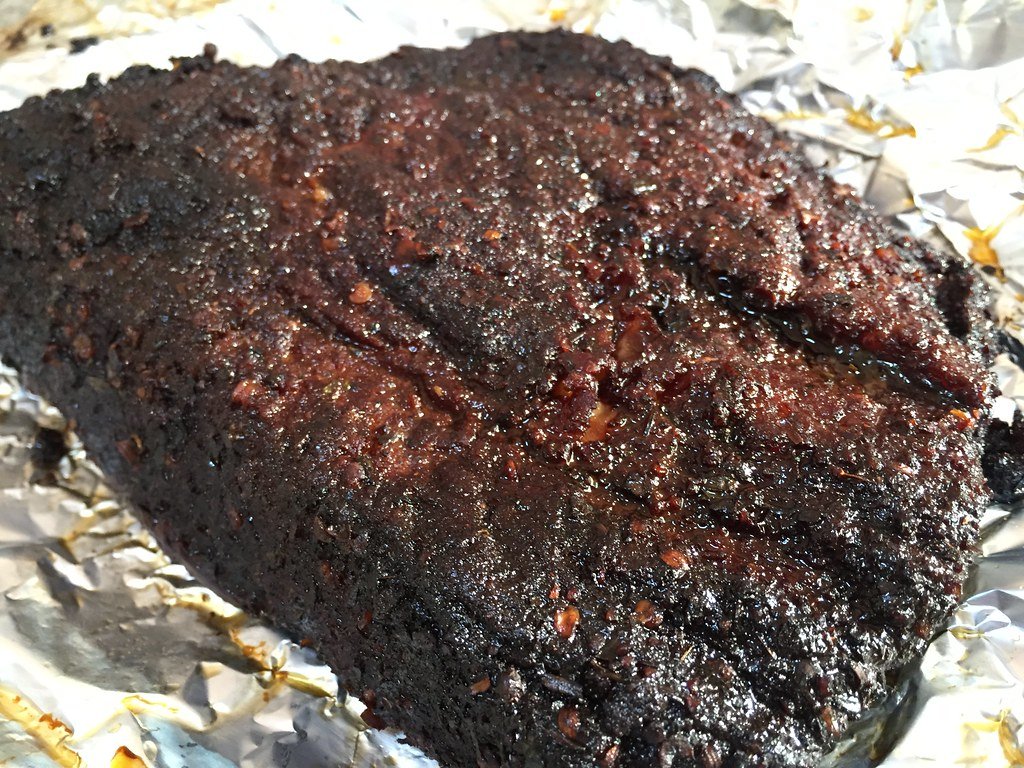
Texas style beef brisket holds a prominent place in the culinary traditions of Texas and embodies a rich tapestry of cultural significance. Considered a staple of Texas barbecue, brisket exemplifies the pride Texans take in their culinary heritage. This dish is not merely a meal; it is a symbol of hospitality, often served at gatherings ranging from family barbecues to large communal events. The act of smoking a brisket is steeped in tradition, meticulously honed over generations, and epitomizes the state’s enduring commitment to quality food and fellowship.
Within the broader context of American food culture, Texas style beef brisket has emerged as a defining element in regional barbecue practices. The preparation methods involve slow cooking and smoking, techniques that showcase ingenuity and skill. This meticulous process has made brisket a sought-after dish, revered not just in Texas but also across the United States. It is often featured at significant events such as Fourth of July celebrations, graduation parties, and family reunions, reinforcing its role as a centerpiece of communal bonding.
Moreover, brisket has transcended its role as just a meal to become a cultural icon. It resonates with themes of hard work and community, highlighting the Texas spirit that values authenticity and culinary craftsmanship. Cooking a brisket is often a labor of love, requiring patience and expertise, which reflects the time-honored values of many Texan families. As barbecue competitions have gained popularity, Texas style brisket has become a subject of pride for many pitmasters, further solidifying its importance as a cultural asset.
Ultimately, the significance of Texas style beef brisket lies in its ability to bring people together and celebrate shared experiences, making it a culinary symbol rich in meaning and tradition within both Texas and the broader American landscape.
Understanding the Cut: What Makes Brisket Special
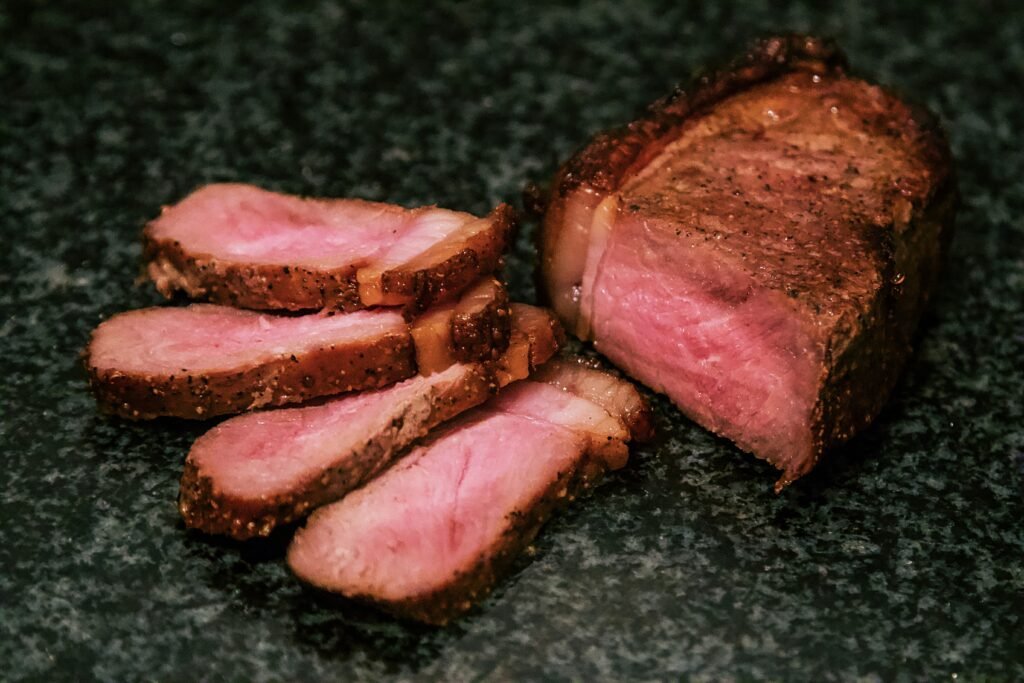
Brisket is a unique cut of meat that originates from the chest area of a cow. It is comprised primarily of two different muscles: the pectoralis major and the pectoralis minor. The anatomical structure of brisket contributes significantly to its flavor, texture, and cooking characteristics. The cut is generally divided into two sections: the flat and the point. The flat portion is leaner and more uniform, while the point contains more marbling and fat, which enriches the flavor during cooking. This marbling helps to keep the meat moist and tender during the long, slow cooking processes typical of brisket preparation.
The fat content in brisket is vital as it allows for a more flavorful and succulent final product. As the fat melts during cooking, it bastes the meat, creating an incredibly tender and juicy experience. In addition to the intra-muscular fat, the fat cap that sits on top of the brisket is crucial for maintaining moisture. When choosing brisket, it is essential to select a cut with a good balance of fat and meat for optimal results. The flavor and texture of brisket can be significantly influenced by the grade of beef selected. Typically, the USDA grades beef as Select, Choice, or Prime, with Prime being the highest quality and most marbled option. Opting for Choice or Prime beef brisket is recommended for ensuring a rich flavor and tender result when cooked.
Understanding these anatomical aspects and factors such as fat content, muscle structure, and grading will ultimately allow cooks and enthusiasts to appreciate the true essence of brisket. Each factor plays a critical role in how the meat will perform, especially when prepared using traditional methods like smoking or slow-roasting. The selection of the right brisket cut is, therefore, an essential step towards achieving that quintessential Texas-style beef brisket experience.
The Cooking Techniques Behind Texas Style Brisket
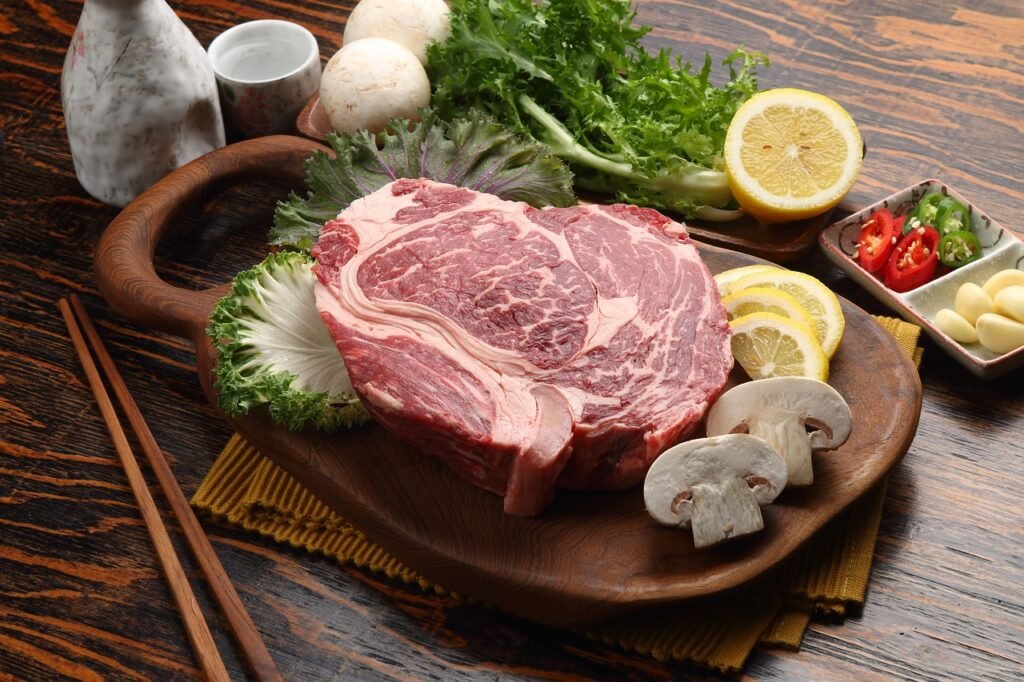
Cooking Texas style brisket is an art steeped in tradition and requires specific techniques that set it apart from other regional preparations. The key to achieving the signature tenderness and flavor lies primarily in two methods: smoking and brining. These foundational techniques not only enhance the brisket’s natural flavors but also contribute to its overall texture and juiciness.
Brining is often considered a preparatory step in the brisket cooking process. It involves soaking the meat in a seasoned mixture of water, salt, and various spices. This crucial step helps to infuse moisture and flavor, ensuring the brisket remains succulent throughout the long cooking journey. A typical brine may include ingredients like brown sugar, garlic, and peppercorns, all of which work synergistically to create a flavorful base. Following the brining stage, it is essential to thoroughly rinse and dry the brisket before applying seasonings or rubs.
The hallmark of Texas brisket preparation is the smoking technique, and it is in this step where distinct regional differences become apparent. A wood smoker, commonly fueled by mesquite or post oak, is typically used, imparting a unique smoky flavor characteristic of Texas barbecue. The brisket is often cooked low and slow—usually at temperatures between 225°F and 250°F—for several hours, depending on the size and thickness of the cut. This approach not only breaks down the tough connective tissues in the meat but also allows the smoke to permeate deeply, creating a beautifully caramelized bark on the outside.
One common practice among pitmasters is to wrap the brisket in butcher paper or aluminum foil partway through the cooking process. This technique, known as the “Texas crutch,” helps to retain moisture while allowing the meat to continue cooking evenly. The combination of brining and smoking, with careful attention to temperature and time, ultimately distinguishes Texas style brisket from its counterparts, ensuring a memorable eating experience.
Tasting Texas Style Beef Brisket: Flavor Profiles and Textures
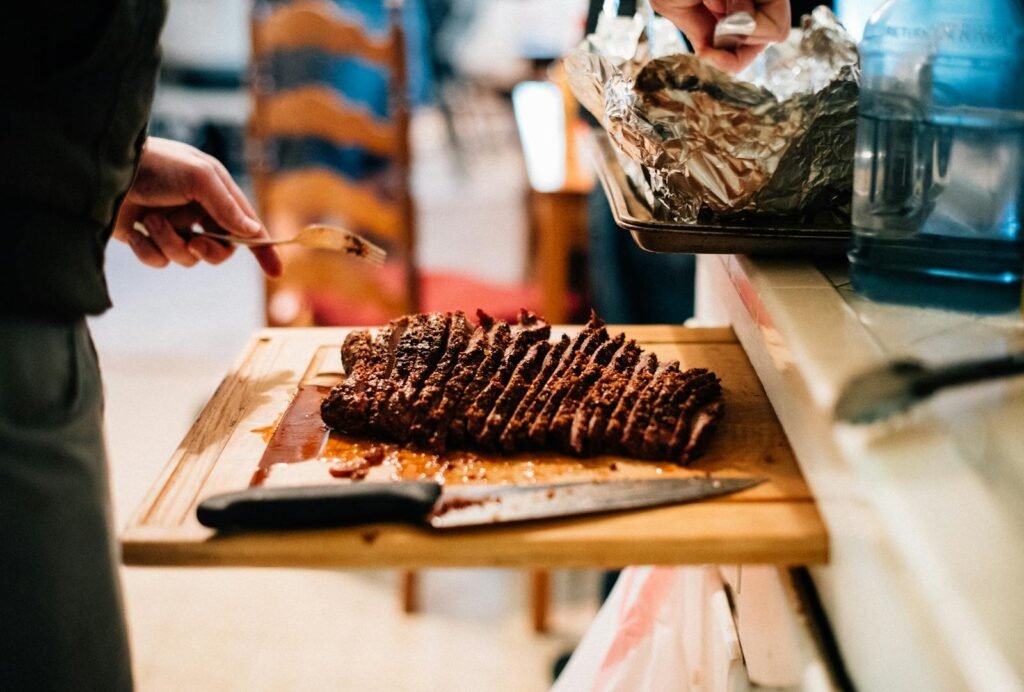
The experience of tasting Texas style beef brisket is an exploration of rich flavors and varied textures that celebrate the mastery of barbecue. At the heart of this culinary delight is the balance of smokiness, tenderness, and seasoning. Traditionally, Texas brisket is seasoned with a simple rub, primarily composed of salt and black pepper, allowing the natural flavors of the meat to shine through. The minimalistic approach not only enhances the beef’s inherent qualities but also emphasizes the importance of the smoking process which imparts a deep, rich smokiness to the brisket.
In terms of flavor profile, one can expect a sumptuous contrast between the smoky, earthy notes from the wood used during the cooking process and the savory, juicy richness of the brisket itself. The choice of wood significantly impacts the overall flavor, with hickory and mesquite being prevalent options that add distinctive characteristics. The brisket exudes a luscious mouthfeel, facilitated by its fat content which contributes both to its moisture and its tenderness. The marbling within the meat renders beautifully during cooking, ensuring that each bite is a combination of soft, melt-in-your-mouth goodness paired with a burst of flavor.
The texture of properly cooked Texas brisket plays a vital role in the dining experience. A well-smoked brisket should have a crisp bark on the exterior, formed by the Maillard reaction during the smoking process, while the interior should remain juicy and tender. This contrast in textures enhances each bite and is often a benchmark for determining the skill of the pitmaster. A thoughtfully prepared brisket not only pleases the palate but also creates a satisfying dining experience that echoes the heart of Texas barbecue culture.
Pairings and Sides: What Goes Best with Brisket
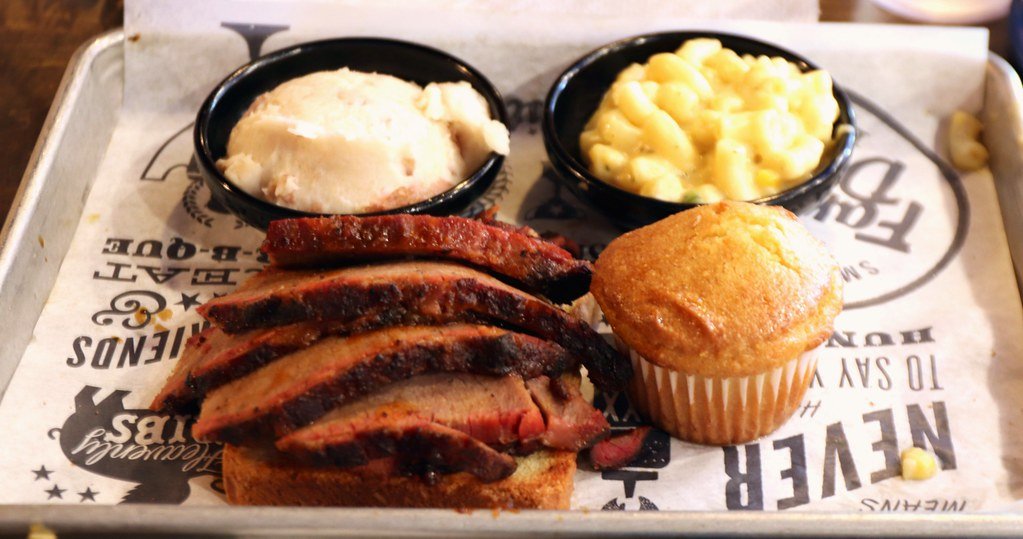
When it comes to Texas-style beef brisket, the meal experience is often greatly enhanced by thoughtful pairings and sides. The rich, smoky flavor of a perfectly cooked brisket deserves accompaniments that not only complement but also elevate its robust taste. A variety of classic side dishes can provide the perfect balance to the savory qualities of the brisket.
One of the most popular sides to accompany brisket is coleslaw. The crisp, cool texture of coleslaw, typically made from shredded cabbage and a tangy dressing, offers a delightful contrast to the warm, meaty brisket. Its refreshing qualities cleanse the palate, setting the stage for each successive bite. Another traditional pairing is potato salad, which provides a hearty, creamy element that works harmoniously with the smoky flavors of the brisket. Whether prepared with a mustard base or a mayonnaise dressing, potato salad is a staple at Texas barbecues.
Baked beans are also a favored side dish that adds a touch of sweetness to the meal, further enhancing the savoriness of the beef. Often slow-cooked with spices and sometimes even brisket trimmings, baked beans create a comforting and satisfying accompaniment. Furthermore, pickles and pickled jalapeños can be served for those who enjoy a zesty crunch; their acidity and bite can cut through the richness of the meat.
As for beverages, pairing brisket with a cold beer is a time-honored tradition. The carbonation and bitterness can refresh the taste buds, creating a balanced experience when enjoying this hearty meal. For non-alcoholic options, iced tea or lemonade can provide a similarly refreshing contrast, making them excellent choices to accompany beef brisket.
Regional Variations of Brisket in Texas
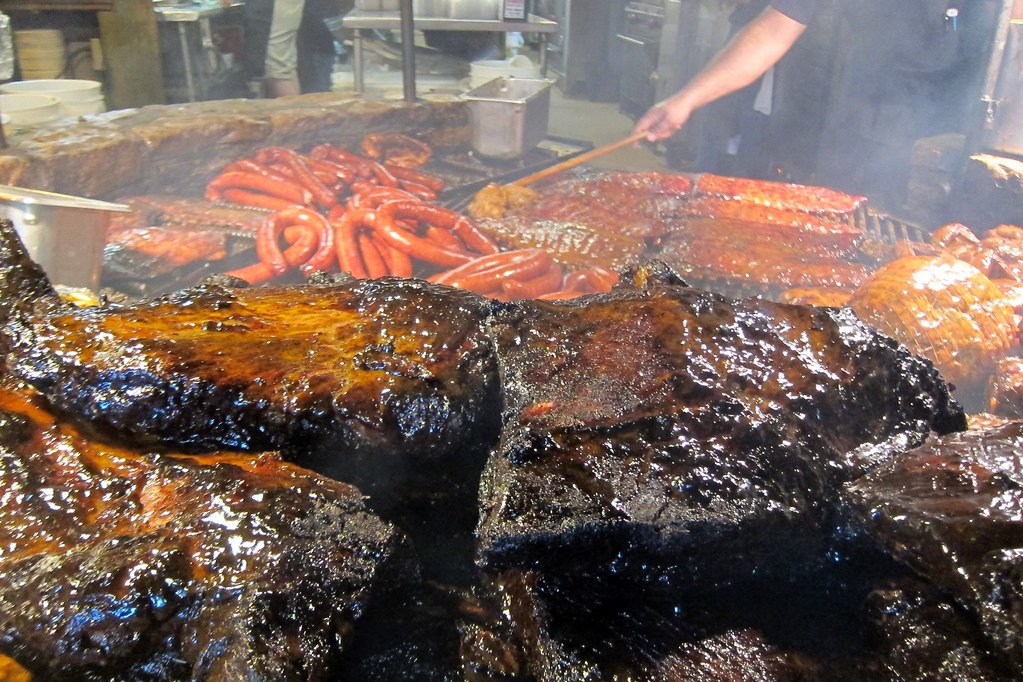
The diversity of Texas style beef brisket is rich and varied, primarily influenced by the geographic and cultural distinctions across the state. Each region has developed its unique approach, contributing to the overall tapestry of Texas barbecue. The most notable styles can be categorized into Central Texas, East Texas, and the Gulf Coast, each celebrating its own flavors and techniques.
In Central Texas, brisket is often the star of the barbecue plate. The cooking method prominently used is the low and slow approach, where briskets are smoked over post oak wood, imbuing the meat with deep, earthy flavors. Seasoning is typically minimal, relying heavily on kosher salt and coarse black pepper to enhance the natural taste of the beef without overpowering it. This region’s brisket is characterized by a beautiful bark and a tender, juicy interior, often served in thick slices that showcase the meat’s marbling.
East Texas, conversely, presents a stark contrast with its emphasis on a sweeter flavor profile. Here, brisket is often smoked for a longer time, producing a softer texture and a robust smoky taste that is complemented by the use of various barbecue sauces. The traditional method often involves wrapping the meat in foil, which retains moisture and creates a melt-in-your-mouth consistency. East Texas barbecue typically incorporates a fusion of Southern cooking influences, resulting in a unique culinary experience centered around a more sauced and seasoned brisket.
Finally, the Gulf Coast region introduces its own twist, favoring a more diverse mix of spices and marinades. Brisket in this area is sometimes cooked with citrus-based glazes or even incorporates local seafood flavors. The influence of Cajun and Creole cooking adds a layer of complexity to the brisket, resulting in an interesting blend of savory and tangy notes that distinguish this style from its Texas counterparts.
Brisket in Contemporary Cuisine: Trends and Innovations
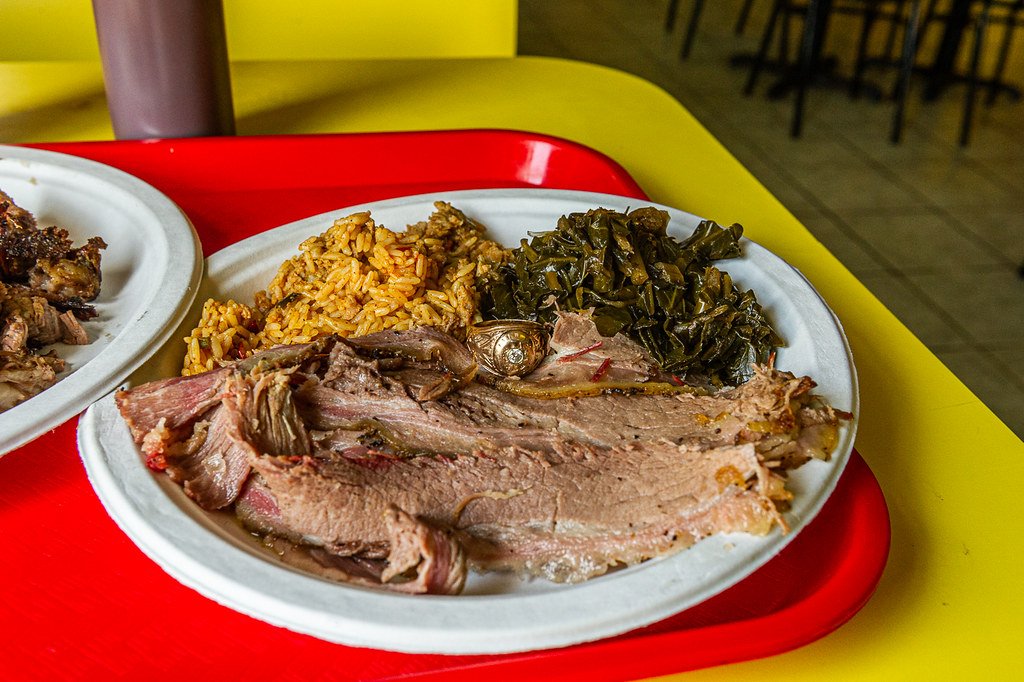
Texas style beef brisket has transcended its traditional roots, finding a significant place in contemporary cuisine. As culinary boundaries expand, brisket is being reimagined in innovative ways that reflect modern sensibilities and tastes. Chefs and food enthusiasts alike are experimenting with diverse cooking techniques, flavors, and presentations, pushing the limits of what this classic cut of meat can be.
One emerging trend is the fusion of Texas brisket with international cuisines. Chefs are incorporating elements from Asian, Mexican, and Mediterranean dishes to create unique flavor profiles. For instance, brisket tacos featuring tender smoked meat topped with kimchi or cilantro-lime slaw have gained popularity in food trucks. This creative approach not only highlights the versatility of brisket but also attracts diverse clientele seeking novel culinary experiences.
Moreover, street food culture has embraced Texas style brisket, especially in the food truck scene. These mobile kitchens offer brisket sandwiches, bowls, and even specialty items like brisket nachos or burnt ends, appealing to a younger demographic that prioritizes convenience and flavor. The ability to enjoy delicious brisket on-the-go has significantly contributed to its mainstream appeal.
In addition to casual dining, brisket has made its mark in fine dining establishments. Upscale restaurants are featuring smoked brisket as part of sophisticated tasting menus, often paired with gourmet sides and artisanal sauces that elevate the overall dining experience. This transition into fine dining signifies a broader acceptance of brisket as a versatile protein that deserves a place alongside more traditional gourmet offerings.
The role of Texas style brisket in contemporary cuisine continues to evolve, reflecting a blend of tradition and innovation. With chefs increasingly pushing creative boundaries, it is clear that brisket has secured its position as a beloved component in the modern culinary landscape.