
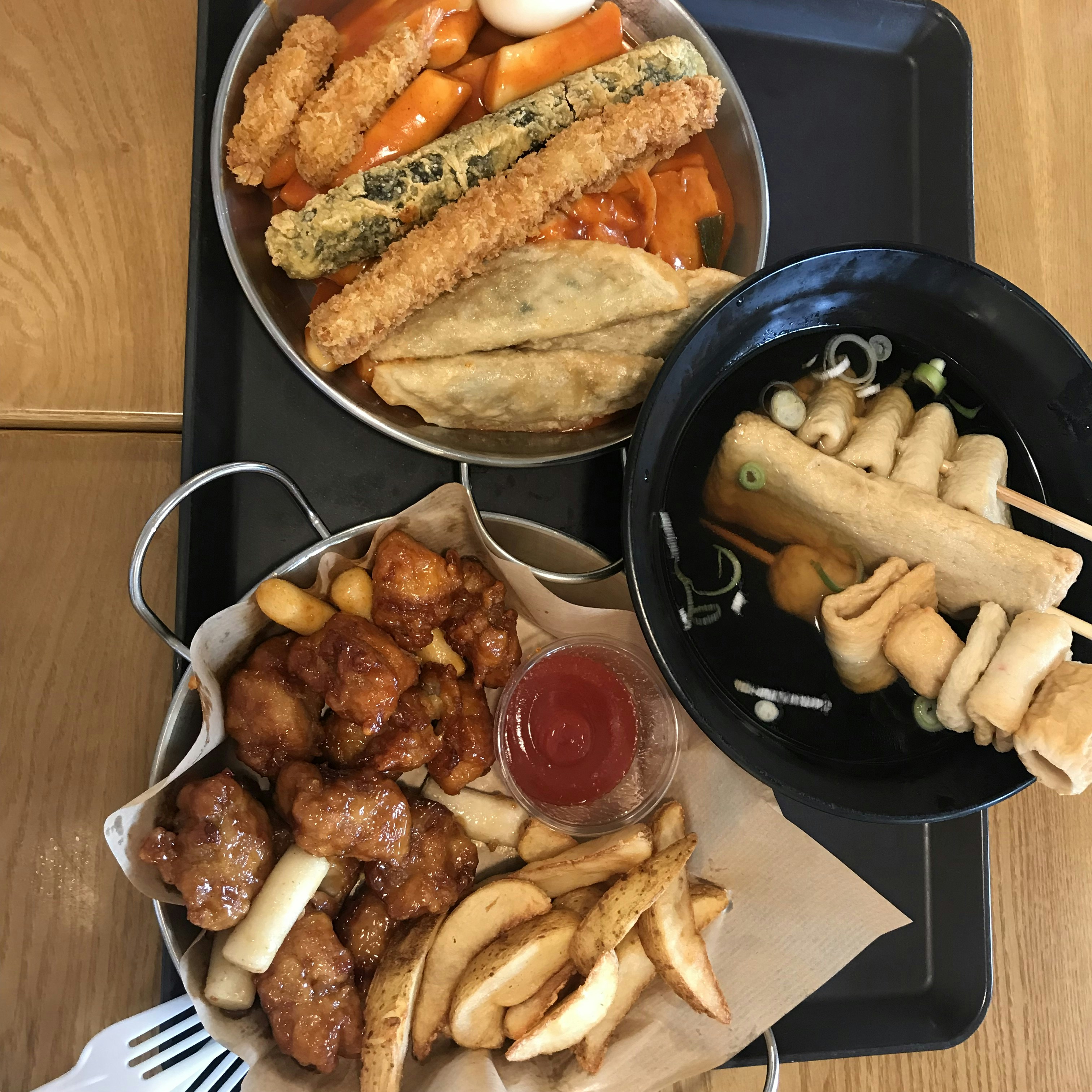
Origin and History of Tteokbokki
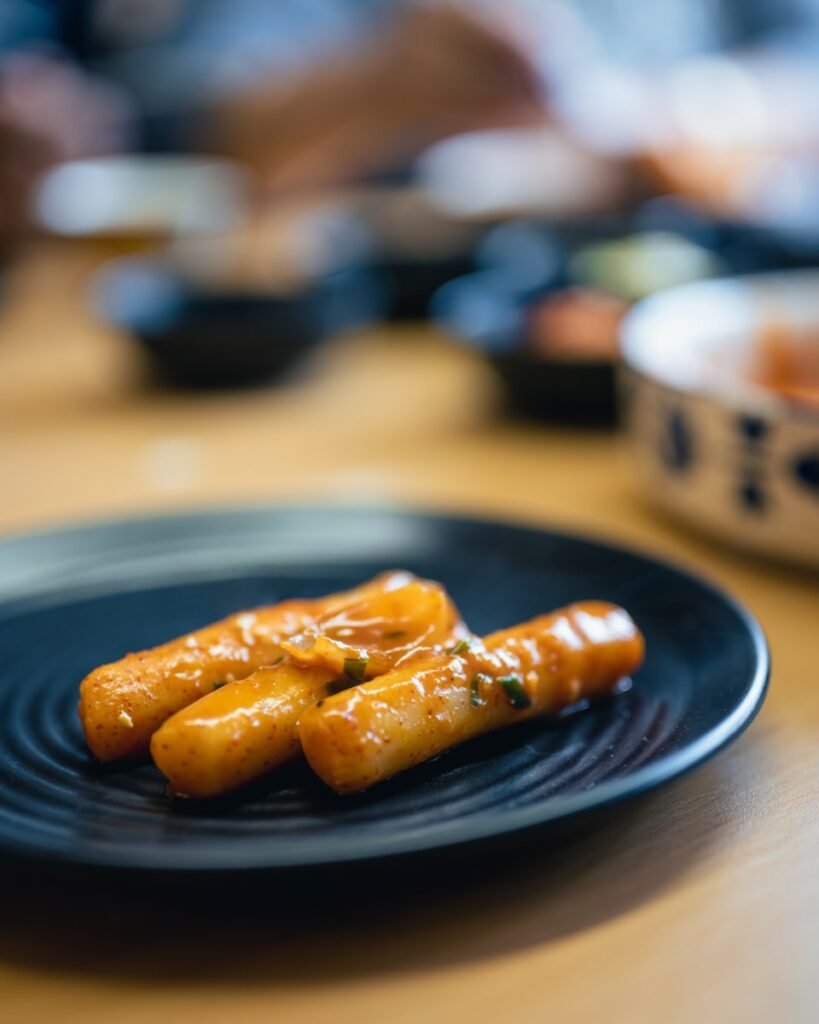
Tteokbokki, a distinctive dish in Korean cuisine, has a rich history that traces back to the royal courts of Korea. Initially known as “tteokjjim,” it was prepared using plain rice cakes, which were then simmered in a gentle soy sauce-based soup. This early form of tteokbokki was characterized by its savory flavor and enjoyed primarily among the royalty and the upper class. Over the centuries, as culinary practices evolved and social structures changed, the dish began to transition into more accessible formats.
The significant transformation of tteokbokki occurred during the Joseon Dynasty, especially in the late 19th century, when it began to gain popularity in the bustling streets of Seoul. Vendors started to serve a revised version of the dish, which incorporated spicy red pepper paste known as gochujang. This adaptation marked a key milestone in the dish’s evolution, as the spice transformed the flavor profile and made it more appealing to a broader audience. This version is widely regarded as the precursor to the beloved tteokbokki we know today.
Cultural Significance and Meaning
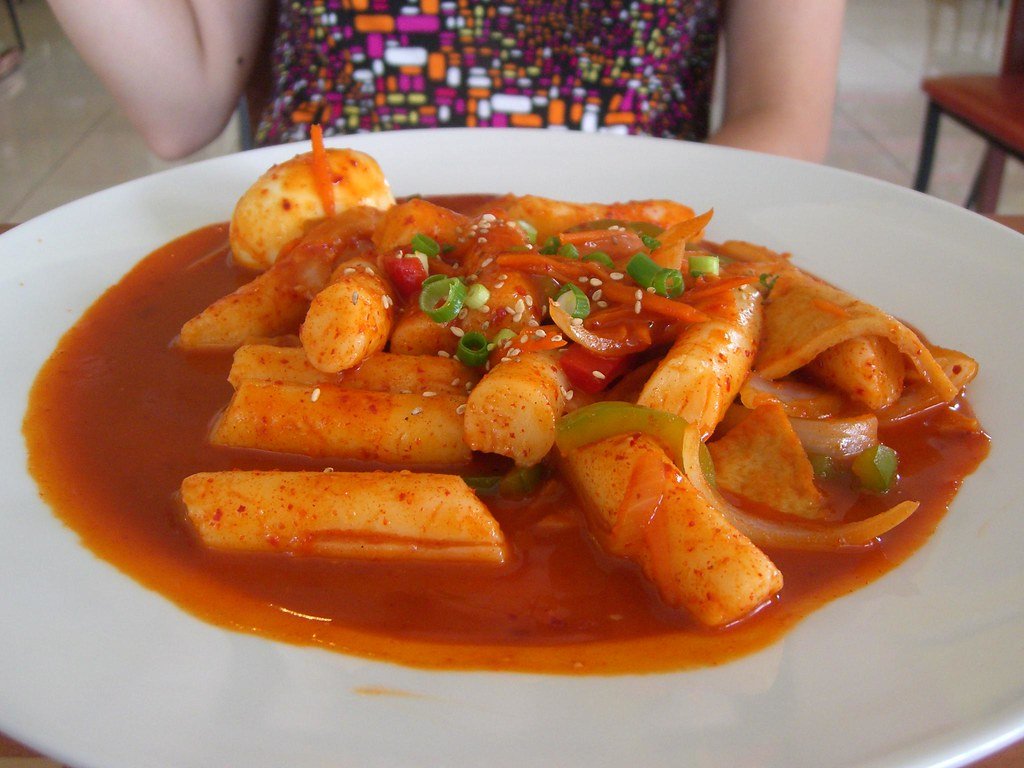
Tteokbokki, a beloved Korean dish, holds substantial cultural significance in South Korea. This spicy and savory snack is not merely a culinary delight; it embodies a sense of comfort and nostalgia for many Koreans. Often associated with the evening bustle of street vendors, tteokbokki is frequently enjoyed as a late-night snack, particularly popular among young adults and university students. Its accessibility, paired with its irresistible taste, makes it a quintessential part of South Korean nightlife and street food culture.
During various gatherings and celebrations, such as birthdays, and holidays, tteokbokki often takes center stage, symbolizing communal joy and togetherness. Its presence at festivals reflects a cherished tradition where families and friends come together to share not just food but experiences and memories. This dish’s rich history can be traced back to ancient times, demonstrating the evolution of Korean cuisine while retaining its core values of warmth and community.
The experience of sharing tteokbokki creates unique bonds between friends and family, making it a staple for social interaction. It is common to see groups of people bustling around food stalls, laughing and enjoying the dish together. This ritualistic aspect enhances the dish’s importance in fostering connections, creating a sense of belonging, and reflecting cultural identity. Tteokbokki serves as a culinary thread that weaves through the fabric of Korean society, conveying warmth and comfort through its inviting flavors. Ultimately, tteokbokki transcends its role as a mere food item, becoming a symbol of community and shared experiences, solidifying its place in the hearts of those who enjoy it.
Taste and Texture
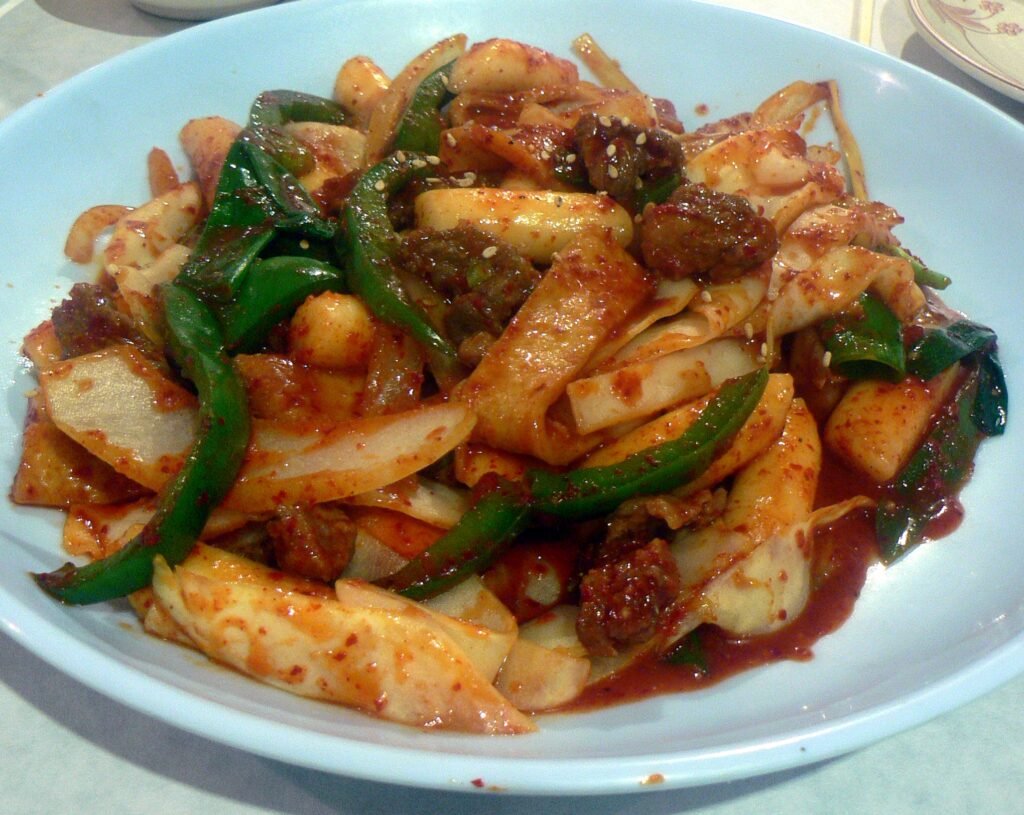
Tteokbokki, a beloved Korean street food, is celebrated for its distinct flavor profile and texture. The primary ingredient, chewy rice cakes known as “tteok,” serves as the base for this dish, which is typically stir-fried in a vibrant sauce. At the heart of tteokbokki’s flavor is gochujang, a Korean chili paste that imparts a complex combination of spiciness and a slight sweetness. This paste contributes a rich umami element, making the dish not only flavorful but also satisfying to enjoy.
The taste of tteokbokki can vary depending on the specific recipe and the proportions of its ingredients. In traditional preparations, additional ingredients such as fish cakes, boiled eggs, and various vegetables are often integrated, enhancing the overall taste. The balance of sweetness and spice creates a harmonious flavor that appeals to a wide range of palates. Another common addition is sugar or sweeteners, which can amplify the sweetness and complement the heat from the gochujang, leading to a delightful, multi-faceted experience.
While the flavor is undeniably important, the texture of tteokbokki equally contributes to its appeal. The chewy rice cakes provide a unique mouthfeel that contrasts with the softer components such as fish cakes and vegetables. The preparation method can significantly influence the final texture; for instance, overcooked rice cakes may become too soft, while undercooked versions can be too firm. Adjusting cooking times and techniques allows for a customization of the dish, permitting variations that cater to personal preference. Overall, the interplay of spicy, sweet flavors and the pleasing chewiness of the rice cakes culminates in a delightful culinary experience. This account of taste and texture illustrates why tteokbokki remains a perennial favorite among food enthusiasts.
Variations and Modern Adaptations
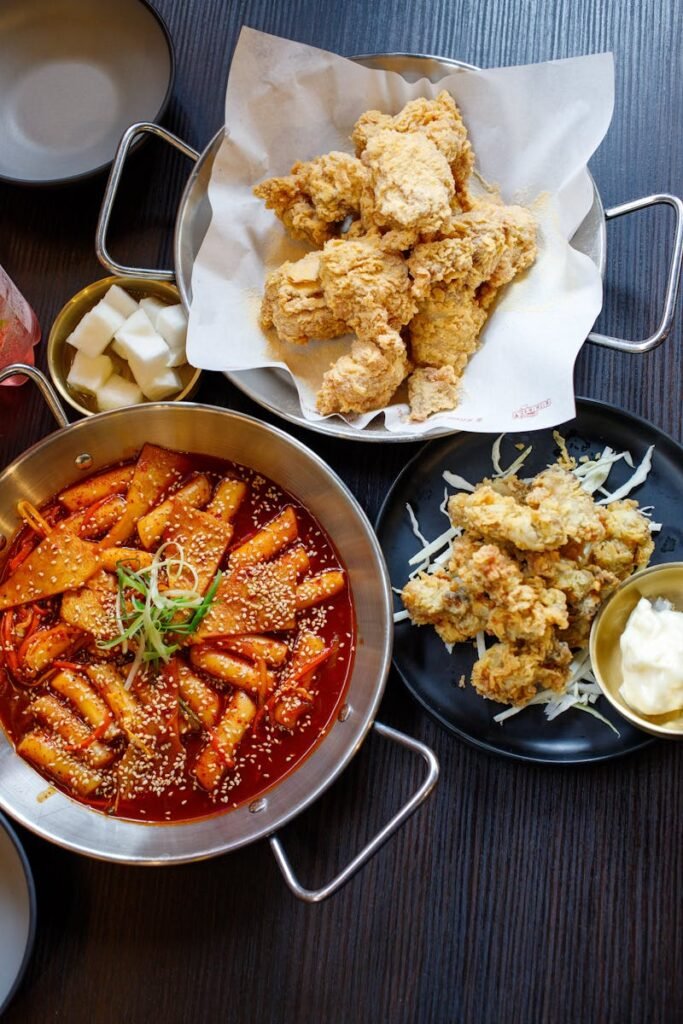
Tteokbokki, a beloved and staple dish within Korean cuisine, showcases a remarkable variety of adaptations that reflect both traditional roots and contemporary culinary trends. Originally made with chewy rice cakes, gochujang (Korean chili paste), and fish cakes, tteokbokki has evolved significantly, both within Korea and on the global stage. In Korea, one can find numerous versions that differ in ingredient combinations and preparation styles. For example, the addition of hard-boiled eggs or various vegetables, such as onions, spring onions, and cabbage, has become commonplace, enhancing the dish’s flavor profile and nutritional value.
One prominent modern twist is the incorporation of cheese, which has gained immense popularity in recent years. Cheesy tteokbokki features gooey melted cheese layered on top of the savory rice cakes, creating a delightful contrast in flavors and textures. This adaptation appeals not only to traditionalists but also to a younger audience who enjoy a more indulgent and creamy variation. Additionally, seafood versions, which include ingredients like shrimp or squid, present a contemporary take that caters to diverse tastes and preferences.
Internationally, tteokbokki’s influence has sparked the creation of fusion dishes, broadening its reach beyond Korea. In Western countries, it’s not uncommon to find tteokbokki served in gourmet settings, paired with unconventional ingredients such as truffle oil or foie gras. Such imaginative adaptations highlight the dish’s versatility and its ability to inspire culinary innovation. These variations maintain the essence of tteokbokki while appealing to new audiences, demonstrating that while the core of the dish remains intact, there is considerable room for creativity. The global fascination with tteokbokki is a testament to its enduring popularity and adaptability, ensuring that this iconic dish continues to thrive in various forms across different cultures.