
The Origins and Evolution of Lasagna
Lasagna, a dish synonymous with comfort and indulgence, boasts a rich history that traces its roots back to ancient civilizations. The earliest forms of lasagna can be identified in ancient Greece, where a dish known as “Laganon” was created. This dish consisted of layers of pasta and was interspersed with various ingredients, laying the groundwork for what would eventually become lasagna. As the Romans expanded their empire, they adopted and adapted these culinary traditions, influencing the evolution of pasta dishes across different regions.

By the Middle Ages, lasagna began to take on a distinctly Italian identity. The term “lasagna” itself is derived from the Greek word “lasagna,” which referred to the pot used for cooking. This pivotal transformation in terminology reflected the growing popularity of the dish in Italy. Regions such as Emilia-Romagna became particularly notable for their unique versions of lasagna, incorporating fresh homemade pasta and rich meat sauces, often enriched with béchamel or ricotta cheese. These variations exemplify the regional diversity within Italian cuisine and the cultural significance lasagna has garnered over the centuries.
The 20th century saw lasagna gaining international acclaim, as Italian immigrants brought their beloved recipes to various parts of the world. In the United States, for instance, lasagna underwent a metamorphosis with the introduction of ingredients like mozzarella cheese and the addition of layers of sauce that appealed to American palates. This adaptation not only showcases the versatility of lasagna but also reflects the broader societal changes surrounding food as a medium of cultural exchange. Today, lasagna remains a beloved staple around the globe, celebrated for its rich flavors and comforting nature, while continuing to evolve with each generation that embraces it.
Visual and Textural Appeal

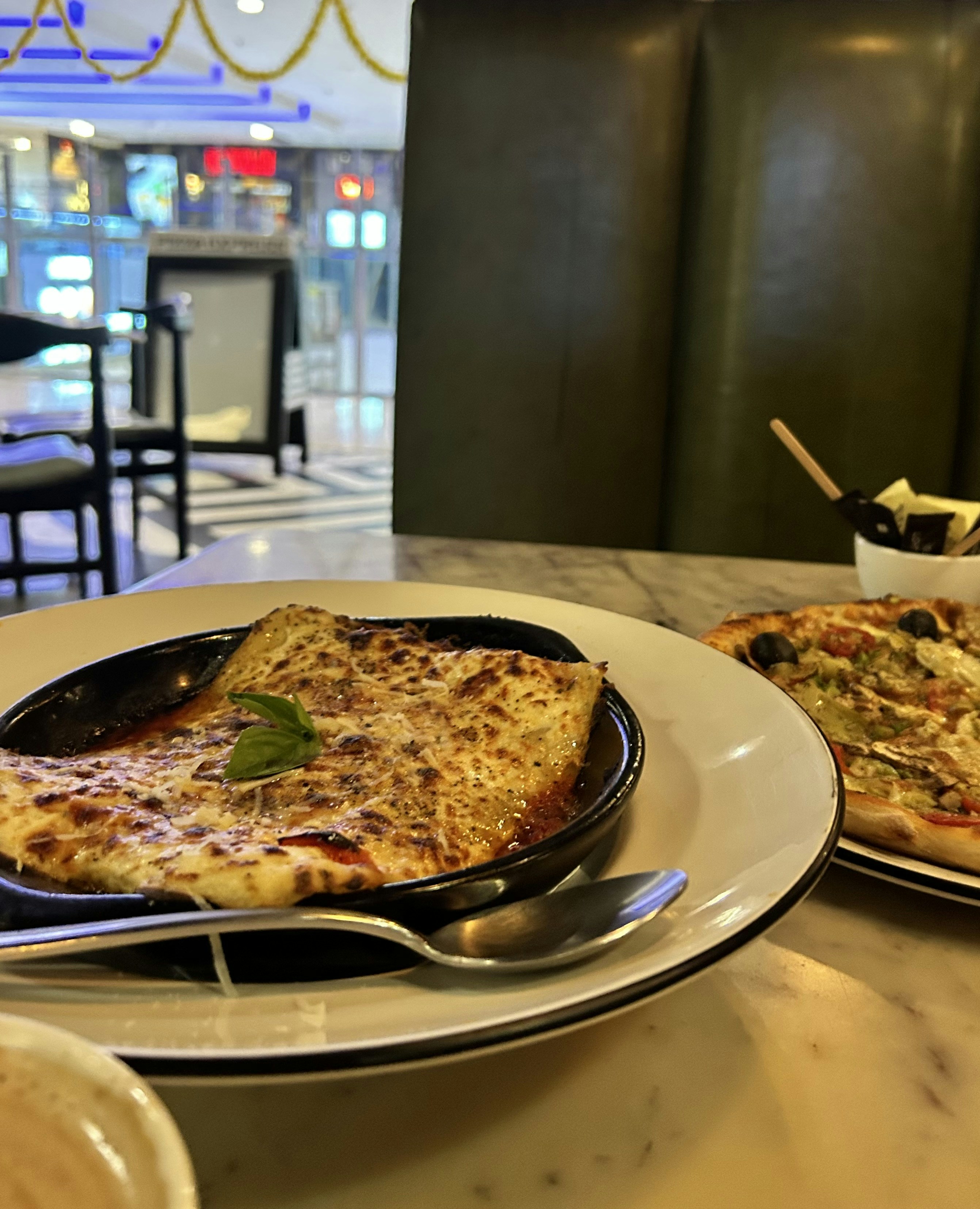
Lasagna is not only a culinary delight but also a feast for the eyes. The initial visual presentation plays a crucial role in its overall appeal. A well-prepared lasagna boasts vibrant layers of thin pasta sheets, rich meat sauce, creamy béchamel or ricotta, and a golden layer of melted cheese. The harmonious combination of colors—from the deep, red sauce to the white, bubbling cheese and the earthy tones of added vegetables or meats—creates a stunning visual display that entices the appetite even before the first bite. Each ingredient contributes to a mosaic of hues, which has the power to elevate the dining experience.
The textural complexity is where lasagna truly shines. With every slice, diners encounter a medley of sensations. The softness of the pasta forms a delicate foundation, while the inner layers of cheese introduce a creamy richness. The meat sauce adds a hearty element, providing a satisfying weight that contrasts with the lighter ingredients. As the fork glides through the layered structure, the interplay between the various textures—smooth, chewy, and robust—creates a multi-faceted mouthfeel that is truly gratifying. This balance between the creaminess of the cheese and the robust nature of the sauce enhances the dish’s overall satisfaction.
To fully appreciate lasagna, one must also consider the interplay of flavors that emerges from its layered composition. The slight crunch from the top layer of cheese, caramelized to golden perfection, contrasts beautifully with the tender layers beneath. This textural journey, paired with the rich, savory aromas that waft from the oven, completes the sensory indulgence. In essence, lasagna stands out not only for its taste but for how its visual presentation and varied textures create an irresistible dining experience, one that engages both the eyes and the palate.
Flavor Profile: A Symphony of Tastes

Lasagna presents a complex flavor profile that captivates the palate and evokes comfort with every bite. At its core, the dish usually features layers of pasta, rich sauces, and an assortment of fillings, all of which contribute to its multifaceted taste. The primary components include béchamel sauce, mozzarella, ricotta, and various meats or vegetables. Each ingredient plays a vital role in crafting an unforgettable culinary experience.
The béchamel sauce, often made from a simple combination of butter, flour, and milk, adds a creamy texture that balances the richness of other ingredients. When seasoned appropriately, this sauce serves as a blank canvas, enhancing the flavors of the cheeses and meats. Mozzarella, known for its delightful stretchiness and mild flavor, creates an appealing layer of gooeyness, while ricotta offers a creamy and slightly sweet contrast. The combination of these cheeses is essential for achieving that signature lasagna taste.
In terms of protein, lasagna typically includes ground meats such as beef, sausage, or even poultry, which infuse the dish with savory, umami notes. For a vegetarian option, sautéed vegetables like spinach, zucchini, or mushrooms can replace the meat, contributing subtle earthiness and texture. These ingredients, seasoned with herbs like oregano, basil, and thyme, enhance the overall flavor and bring a fragrant aroma to the dish. The depth of flavor is further intensified by slow-cooking sauces, where tomatoes simmer with spices, showcasing the natural sweetness and acidity that balance the richness of the cheeses and meats.
This intricate interplay of flavors makes lasagna more than just a meal; it is a comforting delight, capable of evoking nostalgia and warmth. The layering process symbolizes not just the physical construction of the dish but also the harmony created by its constituent elements, resulting in an inclusive and satisfying dining experience.
Pairing Lasagna: Complementary Side Dishes and Wines
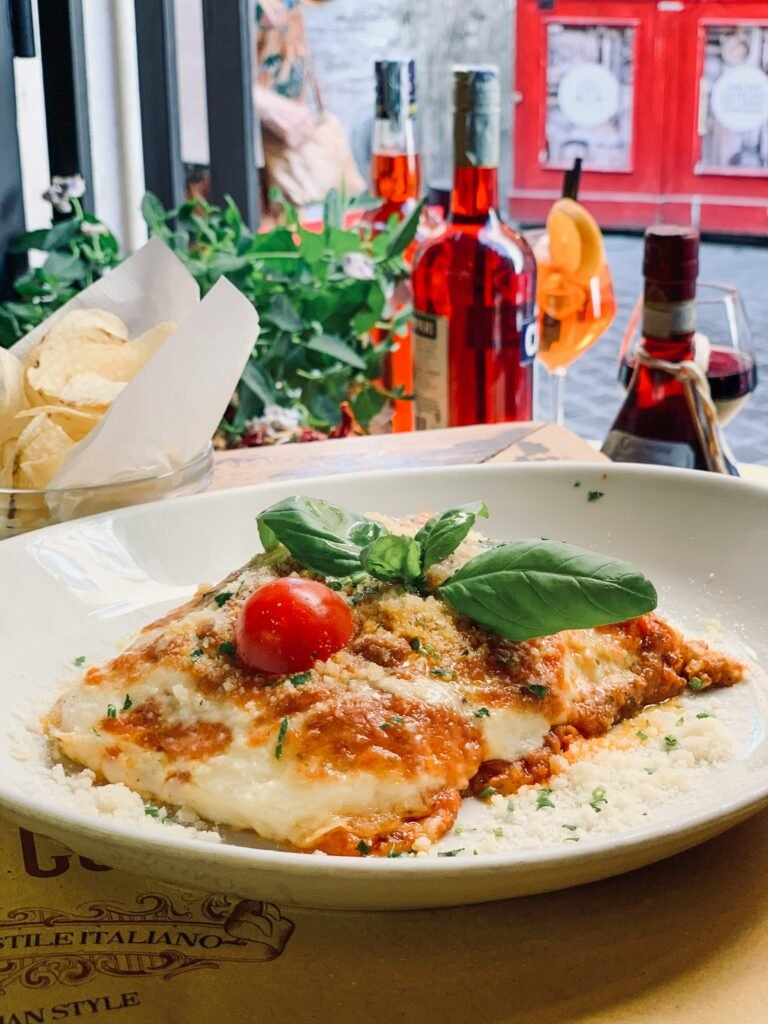
When savoring a well-prepared lasagna, enhancing the experience through thoughtful pairings can elevate the meal significantly. Lasagna, a dish rich in flavor and texture, can be complemented wonderfully by various side dishes. Classic options include garlic bread, which adds a crunchy oppositional texture while bolstering the savory attributes of the main dish. The garlic and butter blend provides a comforting taste that pairs harmoniously with the cheesy richness of lasagna.
Additionally, a fresh salad can serve as a refreshing counterbalance to the heavier elements of lasagna. A simple green salad dressed with a light vinaigrette offers a crispness that can cleanse the palate while enhancing the overall dining experience. Consider including ingredients such as arugula, cherry tomatoes, and cucumbers, which add vibrant colors and textures that complement the dish beautifully. For those seeking variety, an antipasto platter featuring cured meats, olives, and cheeses can also serve as an excellent accompaniment, enriching the meal with Mediterranean flair.
Beyond side dishes, wine pairings can further enhance the flavors present in lasagna. Traditionally, red wines such as Chianti, Barbera, or even a Zinfandel can complement the tomato-based sauce and ground meats typically found in lasagna. These wines possess the acidity and body that matches well with the dish, ensuring that neither overwhelms the other. The fruitiness of these reds can bring out the complex flavors of the cheesy layers.
When pairing, one fundamental principle to consider is matching intensity; a robust lasagna pairs best with similarly bold wines. Conversely, lighter wines can be better-suited for variations such as vegetable or white lasagna. Ultimately, the right combination of side dishes and wines not only heightens the enjoyment of lasagna but also transforms it into a remarkable culinary experience.